Do Mattresses Really Need a “Break-In” Period?

collin land • September 19, 2025
0 minute read
break in period for a mattress

When you buy a new mattress, you expect to bring it home, sleep like a dream and feel instantly well-rested. But many people are surprised when their new bed feels firmer, different or even less comfortable than expected in the first few nights.


This doesn’t necessarily mean you bought the wrong mattress. Like a new pair of shoes, mattresses often come with a “break-in” period.


What Is a Mattress Break-In Period?

The term “break-in” may sound unusual when applied to mattresses, but it’s actually quite normal. It typically takes between 30–60 nights after you start sleeping on your new mattress for it to truly be broken in.


During this time:


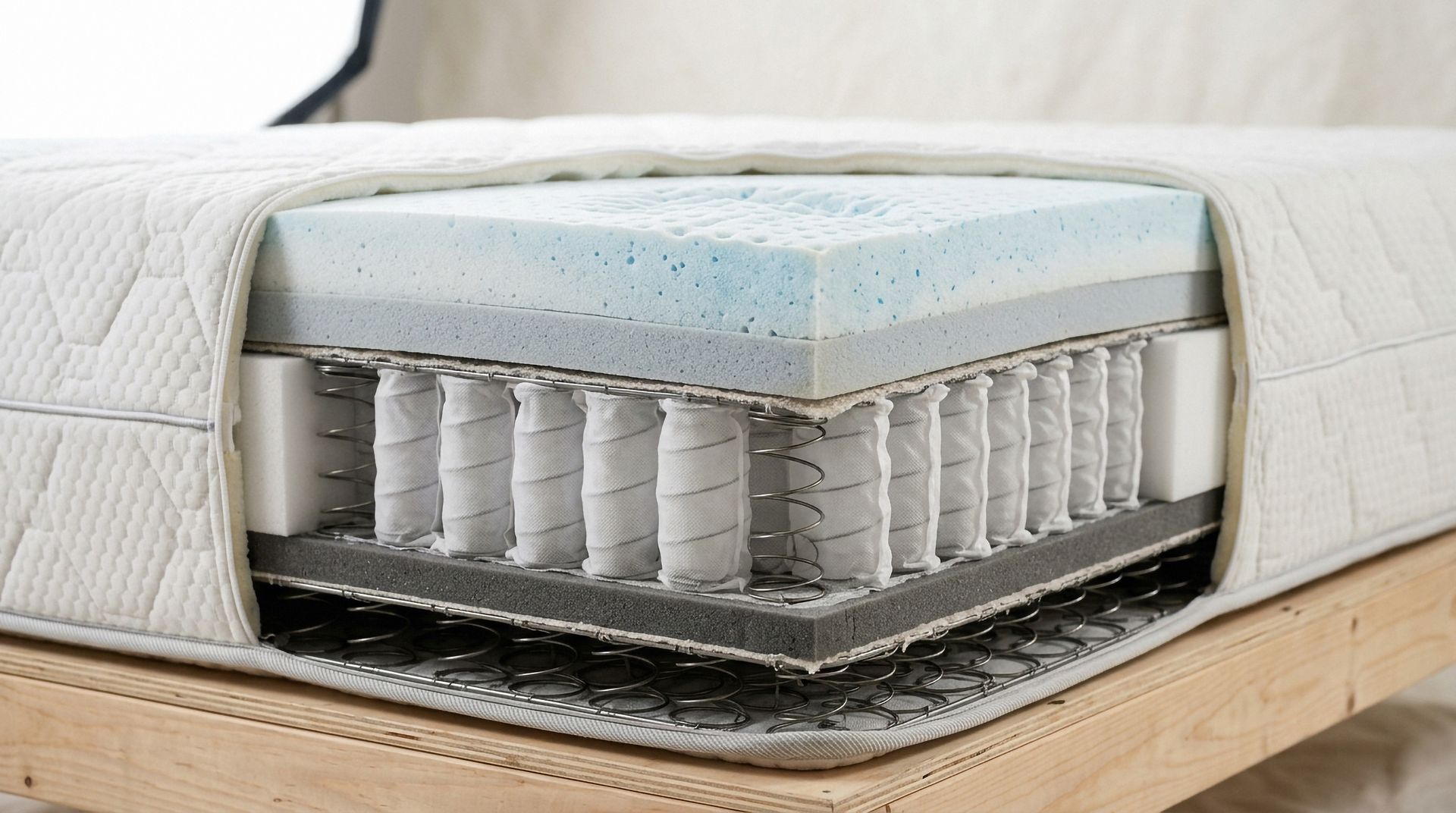
  • The materials adjust – Foam, coils or hybrid layers soften and conform to your body.

  • Your body adjusts – If you’ve been sleeping on an old, sagging mattress, your posture and muscles may need time to adapt to better support.

  • The feel evolves – What feels overly firm at first often becomes comfortably supportive after a few weeks.


In short, the break-in period is your mattress and your body learning to work together.


Why Mattresses Feel Different at First

Several factors contribute to that initial “new bed” feeling:


  1. Compressed shipping – Break-in periods can be especially harsh for people who buy mattresses that are rolled, compressed and shipped in boxes. It can take a few days for the materials to fully expand.

  2. Firmness perception – A brand-new mattress tends to feel firmer than its long-term comfort level, especially with memory foam or latex.

  3. Body alignment – If your old mattress was sagging, your spine and muscles may need time to adjust to healthier alignment. This can temporarily feel strange.


How Long Does the Break-In Period Last?

Some materials, like memory or latex foam, may take longer as they respond to your body heat and weight. In contrast, traditional innerspring mattresses may feel comfortable more quickly. The key is patience. Just because your mattress doesn’t feel “perfect” right away doesn’t mean it won’t become the best bed you’ve ever owned.


Tips to Speed Up the Break-In Process

If you’d like to help your new mattress reach its full comfort potential more quickly, here are some simple steps:


  • Use it consistently – Sleep on your new mattress every night, rather than alternating with another bed.

  • Give it time to breathe – If you did order a mattress online that was rolled up in a box, give it time to fully expand after unboxing, and keep your bedroom well-ventilated.

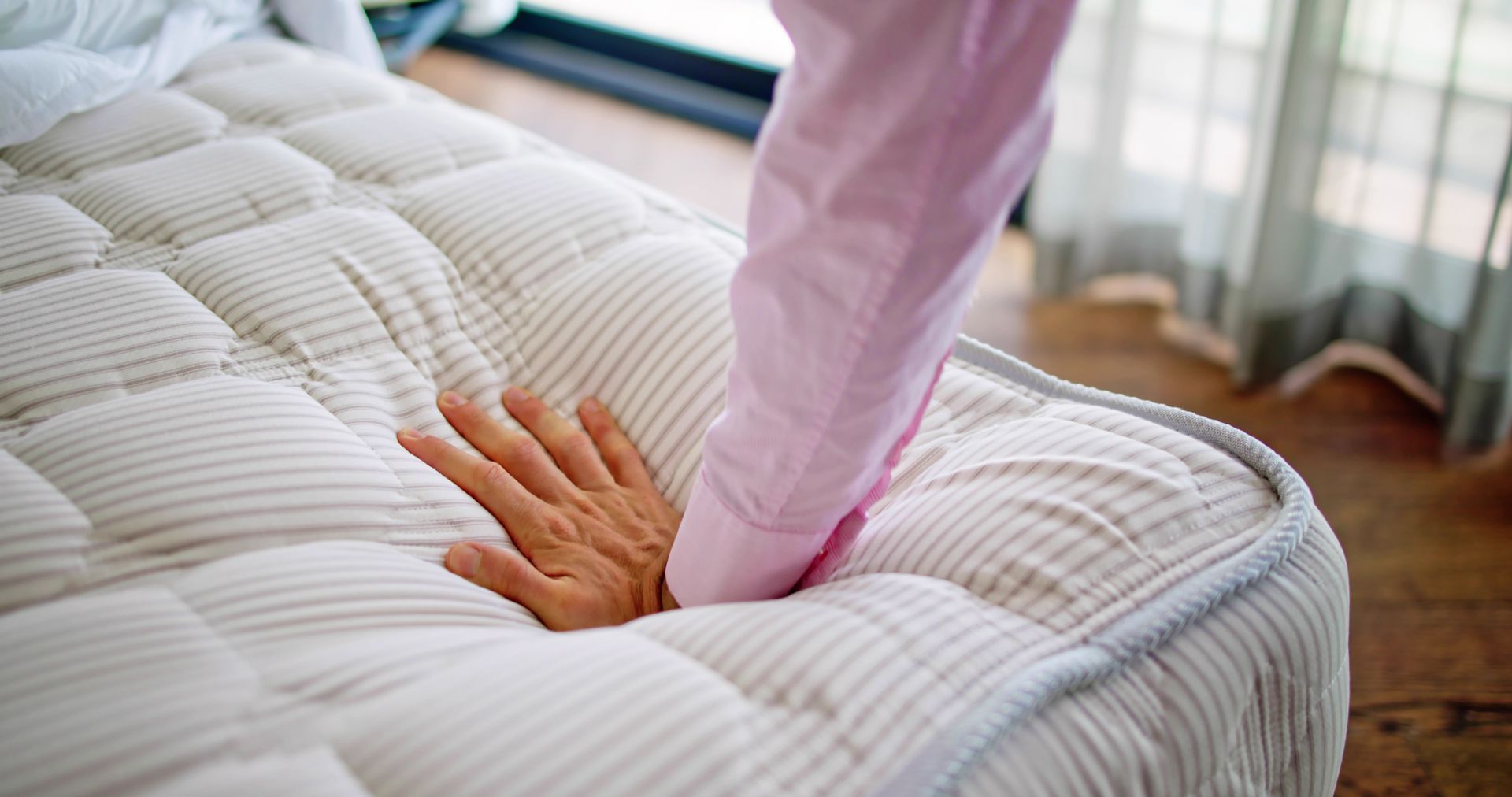
  • Apply gentle pressure – Walking carefully across the surface (with clean socks) or spending time sitting on different areas can help soften materials faster.

  • Rotate if needed – Some mattresses benefit from being rotated during the break-in period to ensure even wear.


Why Sleep Trials and Guarantees Matter

Since mattresses need time to adjust, a sleep trial period is essential. At Twilight Bedding, we encourage customers to spend at least 30 nights on their new mattress before making a final decision. That’s because the way a mattress feels after the first week isn’t always how it will feel after the first month.


Without a trial guarantee, you might give up too soon on a mattress that would have become the perfect fit. With a guarantee in place, you can relax knowing you have the flexibility to evaluate your mattress over time.


When to Be Concerned

While some discomfort during the adjustment period is normal, there are cases when a mattress may not be the right fit:


  • Persistent back or neck pain that doesn’t improve after 4–6 weeks.
  • Obvious sagging, lumps or quality defects.
  • A mattress that feels too soft or too firm even after the break-in period.


If these issues occur, your warranty or sleep trial policy becomes especially valuable.


Find Your Perfect Sleep With Our Luxury Mattresses in Spokane

At Twilight Bedding, we believe buying a mattress should be a stress-free experience. That’s why we provide not only high-quality mattresses built to last, but also guarantees that let you test your new bed with confidence. We know that comfort takes time, and our mission is to help you find the mattress that truly delivers the sleep you deserve.


Contact our North Spokane showroom at (509) 413-2431 or our Spokane Valley showroom at (509) 926-2333 to learn more about our 90-Day Comfort Layer Exchange policy. You can also visit one of our showrooms in person to explore our collection and discover the perfect mattress for your needs.

By Vincent DeFazio December 30, 2025
Most people hear the phrase “motion isolation” and immediately think of couples who share a mattress. It is true that reducing partner disturbance is one of the best-known benefits of good motion control. But motion isolation is not only about preventing your partner from waking you when they roll over. It is actually a much broader engineering concept tied to surface stability and how a mattress responds to shifting loads. In latex and pocket coi l mattresses, motion isolation plays a major role in how the sleep surface manages energy, pressure, rebound and movement. Even people who sleep alone benefit from it every night without realizing it. From reducing micro-arousals to improving body alignment during position changes, these design features contribute to deeper, healthier sleep. Motion Isolation Means Surface Stability, Not Just Quiet Movement A mattress constantly adjusts as you move. Every shift of your shoulders, hips, legs or torso changes how pressure is distributed. Motion isolation refers to the mattress’s ability to keep that movement contained instead of allowing it to ripple across the surface. Better surface stability leads to: Less energy transfer More controlled rebound Smoother transitions between sleep positions Greater comfort when sitting on the edge or leaning to one side Rebound Control Affects Comfort for Everyone Memory foam, polyfoam and low-quality coil systems can respond too slowly or too aggressively to pressure changes. Latex and individually pocketed coil builds strike a balance: Latex offers instant responsiveness without a harsh bounce. Pocket coils compress individually, absorbing downward pressure instead of transferring it outward. Rebound control affects how supported you feel when turning over, sitting up or shifting positions. Excessive rebound can jolt your muscles or joints awake. A stable, well-contoured surface allows your body to move naturally without interruption. Good rebound control is one of the reasons many sleepers describe latex and high-quality hybrid mattresses as “quiet” or “predictable," even when sleeping alone. Motion Isolation Reduces Micro-Arousals Micro-arousals are tiny, brief awakenings your brain triggers when the body senses instability or sudden shifts. You may not remember them, but they fragment sleep cycles and reduce restorative rest. Micro-arousals can be triggered by: A mattress that dips or sways when you move Pressure points forming when the surface cannot adjust quickly Sudden changes in firmness as you shift weight Vibrations from a spring system without proper isolation Latex and pocket coil systems minimize this by keeping motion localized. When the surface stays steady, the brain remains calm and sleep becomes deeper and more continuous. This benefit applies equally to single sleepers, children and older adults. Positional Stability Matters for Spinal Alignment Good sleep posture depends on how steadily the mattress supports the body during transitions. When you roll onto your side or shift toward the edge, the surface should maintain consistent support without sagging or sending shockwaves across the mattress. With strong motion isolation: You are less likely to collapse into a dip when moving Your body maintains alignment through each position The mattress supports rather than resists your movement The spine stays neutral, reducing strain and morning stiffness People who toss and turn, are recovering from injuries or have pressure sensitivity benefit significantly from stable surface behavior. Motion Isolation Reduces Pet Disturbance, Too Pets are notorious for nighttime movement that disrupts sleep. Whether a cat jumps onto the mattress or a dog circles to find the perfect spot, their motion can easily wake a light sleeper. Latex and pocket coil builds help by: Absorbing vertical pressure without spreading it across the bed Minimizing vibrations from small, quick movements Keeping one area stable while another compresses For pet owners, this can dramatically improve sleep continuity. How the Mattress Handles Shifting Load Is a Universal Concern Motion isolation engineering affects how the mattress behaves under real-life conditions, including: Sitting on one corner Leaning to read or watch TV Getting up in the middle of the night Adjusting pillows or bedding Stretching or repositioning sore muscles A mattress with poor load management behaves unpredictably, often causing the opposite side to lift or sink. A well-built latex or pocket coil mattress distributes pressure evenly, maintaining stability across the entire surface. This makes the mattress feel: More supportive More balanced More consistent More durable over time These benefits apply to all sleepers, not just those who share a bed. Experience Steady, Supportive Sleep With Luxury Latex and Innerspring Mattresses Manufactured Locally in Spokane If you want a mattress that stays stable, responsive and quiet no matter how much you move, Twilight Bedding can help. Our latex and pocket coil designs provide exceptional motion isolation that benefits every sleeper, whether you share your bed or sleep solo. Contact us here on our website or call our North Spokane showroom at (509) 413-2431 or our Spokane Valley showroom at (509) 926-2333 for more information.
By Vincent DeFazio December 18, 2025
Sagging is one of the most common mattress complaints, and it can happen with any type of bed if the underlying materials or support systems begin to break down. But “sagging” is a broad term that people often use to describe several different mechanical failures. Choosing a higher-quality mattress, keeping up with rotations to prevent premature wear and using the right foundation can help prevent sagging problems. However, some mattresses may sag even if you treat them right due to structural issues. It happens when the internal support components lose their ability to bounce back, distribute weight, or maintain tension. Material Fatigue: The Slow Breakdown Over Time Every mattress material experiences some degree of fatigue as it ages, but the rate depends heavily on the material composition and density. Foam Fatigue In memory foam and polyfoam beds, sagging is usually the result of compression fatigue. This happens when foam cells lose elasticity and no longer rebound after pressure is removed. Over time: The foam becomes softer Body impressions deepen Support layers collapse into each other The mattress surface becomes uneven Lower-density foams fatigue much faster. This is why inexpensive all-foam mattresses often show visible sagging within a few years. Latex foam, however, is far more resilient because the material’s cellular structure resists permanent compression. Fiber Settlement In pillow tops or quilted comfort layers, fiber materials can flatten with repeated use. This is not true structural sagging, but it can mimic the same effect by reducing loft and cushioning. Coil System Design and Deformation In hybrid and innerspring mattresses, sagging is largely determined by coil integrity. Coils are engineered to compress under load and return to their original form. When that ability weakens, the mattress begins to sag. What Causes Coil Failure? Coils may deform when: The wire gauge is too thin The metal is poor quality The coils are not individually wrapped The coil count is too low for the sleeper’s weight The comfort layers above the coils break down, forcing uneven pressure Once a coil permanently bends or loses its tension, it cannot support weight properly. This results in dips, valleys and “roll-in” sensations where the body slides toward the center. Pocketed Coils vs. Traditional Open Coils Pocketed coils perform better long-term because each spring compresses independently. Traditional open-coil systems share weight across multiple springs, which increases the risk of widespread sagging when one area becomes fatigued. Improper Foundations Can Accelerate Mattress Sagging One of the most overlooked contributors to mattress sagging is the foundation or box spring beneath it. Even a high-quality mattress will sag prematurely if it does not have the support it was designed for. Box Spring Problems Old or flexible box springs can bow under weight, creating the appearance of mattress sagging. If the foundation dips even slightly, the mattress above will mirror the uneven surface. Platform Bed Issues Platform beds must have slats spaced close enough to prevent gaps. If slats are spaced too far apart, the mattress can sag into the empty space. Metal Frames Without Center Support Queen and king mattresses require a center beam with at least one support leg touching the floor. Without it, the middle of the mattress will collapse over time. Why Foundations Matter More for Hybrids and Innersprings Coil systems rely on upward support to maintain tension. If the foundation is unstable, coil deformation accelerates. This is why mattress warranties always specify foundation requirements. How to Slow or Prevent Mattress Sagging Although some aging is unavoidable, proper care extends a mattress’s lifespan significantly. Rotate Regularly: Rotation prevents body impressions from forming in the same areas repeatedly. Use the Correct Foundation: Follow the manufacturer’s foundation guidelines to avoid warranty issues and ensure proper support. Keep Weight Distributed: Try not sit on the same edge all the time. Over time, this weakens both foam and coil systems. Choose Durable Materials: Latex comfort layers, high-density foams, and pocket coil systems reduce the likelihood of premature sagging. When Is Sagging a Sign It’s Time to Replace Your Mattress? If sagging reaches one inch or more (for latex or innerspring) or 1.5 inches or more (for foam beds), most warranties consider it a structural failure. Significant sagging often leads to: Back pain Poor spinal alignment Pressure build-up in shoulders and hips ossing and turning from discomfort When these issues become frequent, it may be time to consider a more supportive, durable mattress. Find Long-Lasting Support With Latex and Coil Mattresses Made Right Here in Spokane Twilight Bedding designs and manufactures latex and coil mattresses built to resist sagging, maintain support and deliver consistent performance for years. With resilient materials and strong structural integrity, our mattresses perform exceptionally well under everyday use. Call our Spokane Valley showroom at (509) 926-2333 or our North Spokane showroom at (509) 413-2431 for more information, or start shopping our collection online.
By Vincent DeFazio December 8, 2025
When winter arrives, people often start noticing changes in how their mattresses feel. Some mattresses seem firmer in the morning, while others soften as the room warms up. These temperature-related shifts can spark questions about durability, comfort, and whether a mattress is performing the way it should. The truth is that not all mattress materials respond to temperature in the same way. Some materials are sensitive to cooler indoor conditions, while others maintain their feel regardless of the season. For sleepers using latex or innerspring mattresses like those produced by Twilight Bedding, winter performance concerns are typically minimal. These materials are naturally stable, responsive, and unaffected by normal indoor temperature fluctuations. Most issues people notice during the winter months come from memory foam or high-density polyfoam mattresses, not latex or coil systems. Why Some Mattresses Feel Stiffer in Winter To understand why certain mattresses change with temperature, it helps to look at the chemistry behind the materials. Memory foam and polyfoam are both petroleum-based foams. Their structure softens with heat and becomes firmer when exposed to cooler temperatures. When a bedroom drops to the low 60s, these foams lose some of their flexibility. That is why sleepers may notice: Their mattress feels harder or less responsive in the morning It provides slower contouring or pressure relief A lingering “stuck” feeling when changing positions Increased pressure on the shoulders, hips, or lower back Once the foam warms up from body heat or ambient temperature, it softens again, often leading to a completely different feel within a single night. This can be frustrating for sleepers who want predictable performance. Latex and coil systems, on the other hand, do not rely on temperature to create support or pressure relief. Their physical structures remain stable whether the room is warm or cool. Latex Mattresses Maintain Their Feel Across Seasons Latex is one of the most temperature-stable mattress materials available. Whether it is natural latex or blended latex, the material does not stiffen when the temperature drops. Instead, it maintains the same buoyant, elastic feel year-round. Why Is Latex Unaffected by Winter Temperatures? Latex is derived from rubber, which naturally maintains elasticity across a wide temperature range. Unlike memory foam, which depends on heat to contour, latex responds instantly to pressure, unaffected by whether the room is 65°F or 75°F. People who sleep on latex mattresses rarely notice seasonal changes in firmness or support. Latex also offers consistent pressure relief, breathability, and motion isolation no matter the time of year, making it ideal for climates with fluctuating temperatures. Coil Systems Perform Consistently in Cooler Rooms Innerspring and hybrid mattresses, especially those with individually wrapped coils, also maintain consistent performance in winter. The strength of a coil comes from its metal composition and its tensioning, not from heat sensitivity. These benefits are particularly helpful in winter: Coils retain the same support level regardless of temperature They allow airflow, reducing the chance of a mattress feeling cold or rigid They pair well with latex comfort layers, which also remain stable For sleepers who prefer a responsive, supportive mattress, coil systems deliver the same performance throughout the winter months. Why Latex and Coil Mattresses Are Ideal for Winter Performance Consumers often focus on cooling features for summer comfort, but consistent winter performance is equally important, especially in Spokane where wet, cold weather is a common feature of the winter months. Latex and coils excel in this area because they: Maintain elasticity and responsiveness regardless of room temperature Provide consistent pressure relief without heat-dependent softening Deliver stable support for back, side and stomach sleepers Eliminate the “too firm in winter, too soft in summer” problem common in memory foam For sleepers who live in colder climates or prefer cooler bedrooms, latex and coil mattresses offer a reliable, comfortable experience year-round. Experience Temperature-Stable Comfort With Our Luxury Mattresses in Spokane If you want a mattress that performs consistently across every season, Twilight Bedding can help. Our latex and innerspring designs maintain their feel, support and pressure relief even in cooler indoor temperatures, making them ideal for sleepers who want stability and comfort without seasonal variation. Explore Twilight Bedding’s collections online , or call our North Spokane location at (509) 413-2431 or our Spokane Valley showroom at (509) 926-2333 for more information on customization options.
Show More