How to Know When It’s Time to Replace Your Mattress


A mattress is a huge part of your sleep routine and likely the piece of furniture you spend the most time on. Over time, it will wear out, losing the qualities that once made it comfortable and supportive.
There are several warning signs that indicate it’s about time to say goodbye to your current mattress.
Visible Signs of Wear and Tear
One of the most obvious indicators that it’s time to replace your mattress is visible damage. Common examples of wear and tear include:
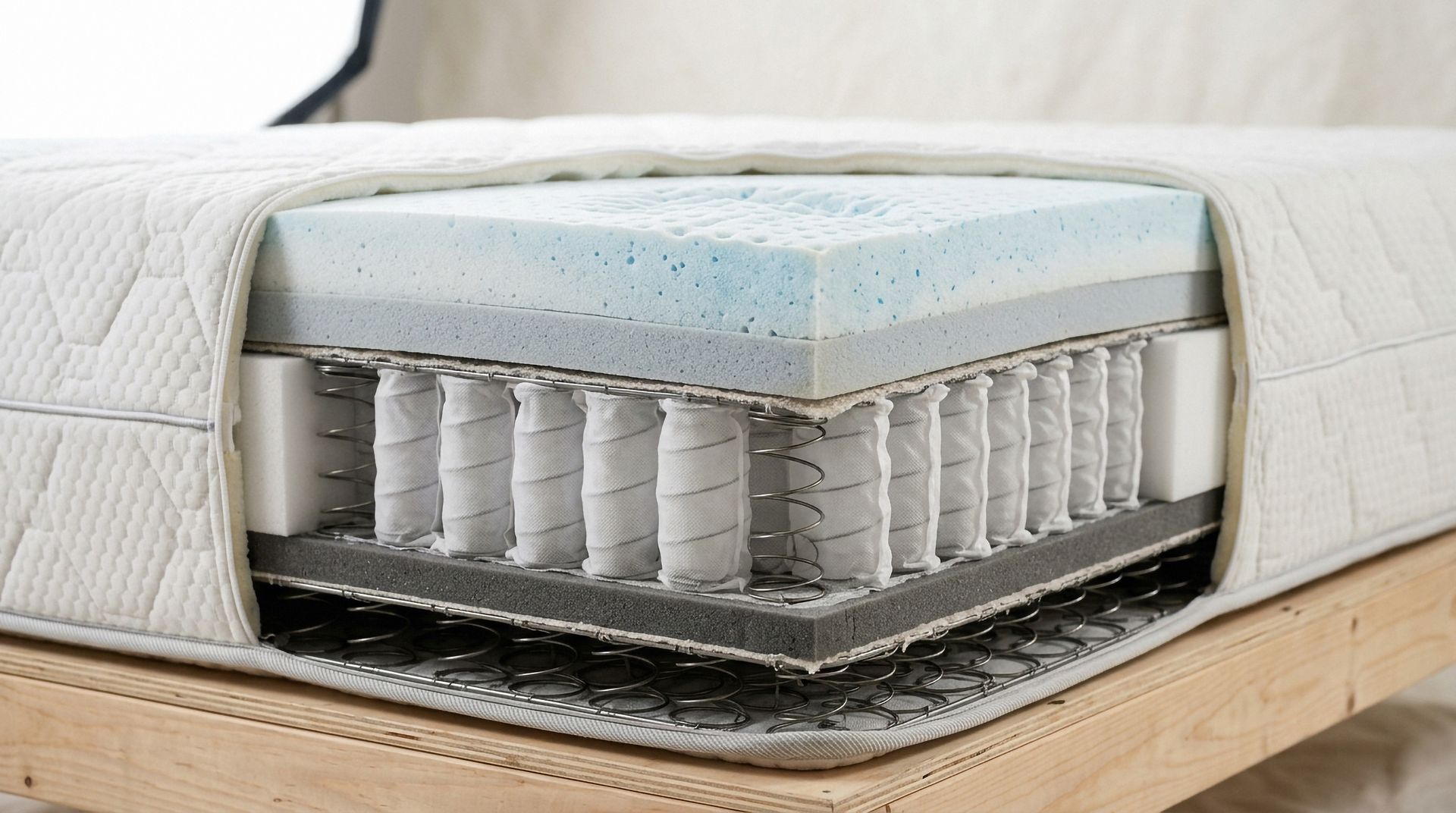
- Sagging or Dipping: Over time, the materials in your mattress, especially foam and springs, begin to break down. If your mattress has developed noticeable sags or dips where you regularly sleep, it’s no longer providing proper support.
- Broken or Protruding Springs:
In innerspring mattresses, coils and springs may start to break or poke through the surface. This not only disrupts comfort but can also lead to injuries or discomfort during sleep.
- Foam Not Returning to Shape:
Memory foam and latex mattresses are designed to conform to your body and then return to their original shape once you get up. If the foam stays indented after you get out of bed, it has lost its ability to provide proper support.
- Musty or Dusty Smell: Over time, mattresses can accumulate moisture, dust mites and allergens, leading to a musty or stale odor. A lingering smell, even after cleaning, is a sign that the mattress materials have degraded and may no longer be sanitary or safe for your health.
Decline in Comfort and Support
The comfort and support that a mattress provides can decrease gradually over time, making it easy to miss subtle changes. However, if you’ve noticed that your mattress no longer feels as comfortable or supportive as it once did, it might be time for an upgrade.
Worsening Sleep Problems
Your bedroom environment plays a crucial role in determining how well you sleep each night. A worn-out mattress can contribute to various sleep problems, including discomfort, pain and poor sleep quality. Some common signs your sleep is being disrupted include:
- Waking Up Stiff or Sore:
If you regularly wake up feeling stiff, sore or with pain in your neck, back or shoulders, it’s a strong sign that your mattress isn’t providing the support your body needs. Over time, an unsupportive mattress can cause or exacerbate chronic pain.
- Tossing and Turning: Increased restlessness or frequent tossing and turning at night could mean that your mattress is no longer offering adequate support. If you struggle to find a comfortable position and spend much of the night moving around, your mattress may be to blame.
- Allergies or Asthma Symptoms: Over the years, mattresses can collect allergens like dust mites, pollen and pet dander, which can trigger or worsen allergies and asthma symptoms. If you notice increased allergy symptoms at night or in the morning, even after cleaning your bedding regularly, your mattress might be harboring allergens that can’t be removed with surface cleaning.
Age of the Mattress
The age of your mattress is one of the most critical factors in determining when it’s time for a replacement. While most mattresses are designed to last at least seven to 10 years, the actual lifespan will depend on the type of mattress and how well it has been cared for.
- Innerspring Mattresses: These typically last around seven to 10 years, though higher-quality models can last longer. If your innerspring mattress is starting to sag or lose support, even before hitting the 10-year mark, it might be time to upgrade.
- Latex Mattresses: Latex is one of the most durable mattress materials, with a lifespan of 10 to 15 years.
- Double-Sided Mattresses: The most cost-effective mattresses are those that can be flipped and rotated to essentially double their lifespan. Although some double-sided mattresses may be slightly more expensive, the cost of a single double-sided mattress is typically less than the cost of two new single-sided mattresses.
Get a High-Quality Replacement Mattress in Spokane, WA
If you’re ready to replace your mattress, the sleep experts at Twilight Bedding in Spokane, WA are here to help.
Contact our North Spokane Showroom at (509) 413-2431 or our Spokane Valley Showroom at (509) 926-2333. Don’t hesitate to visit one of our locations to try out our locally-made mattresses for yourself.