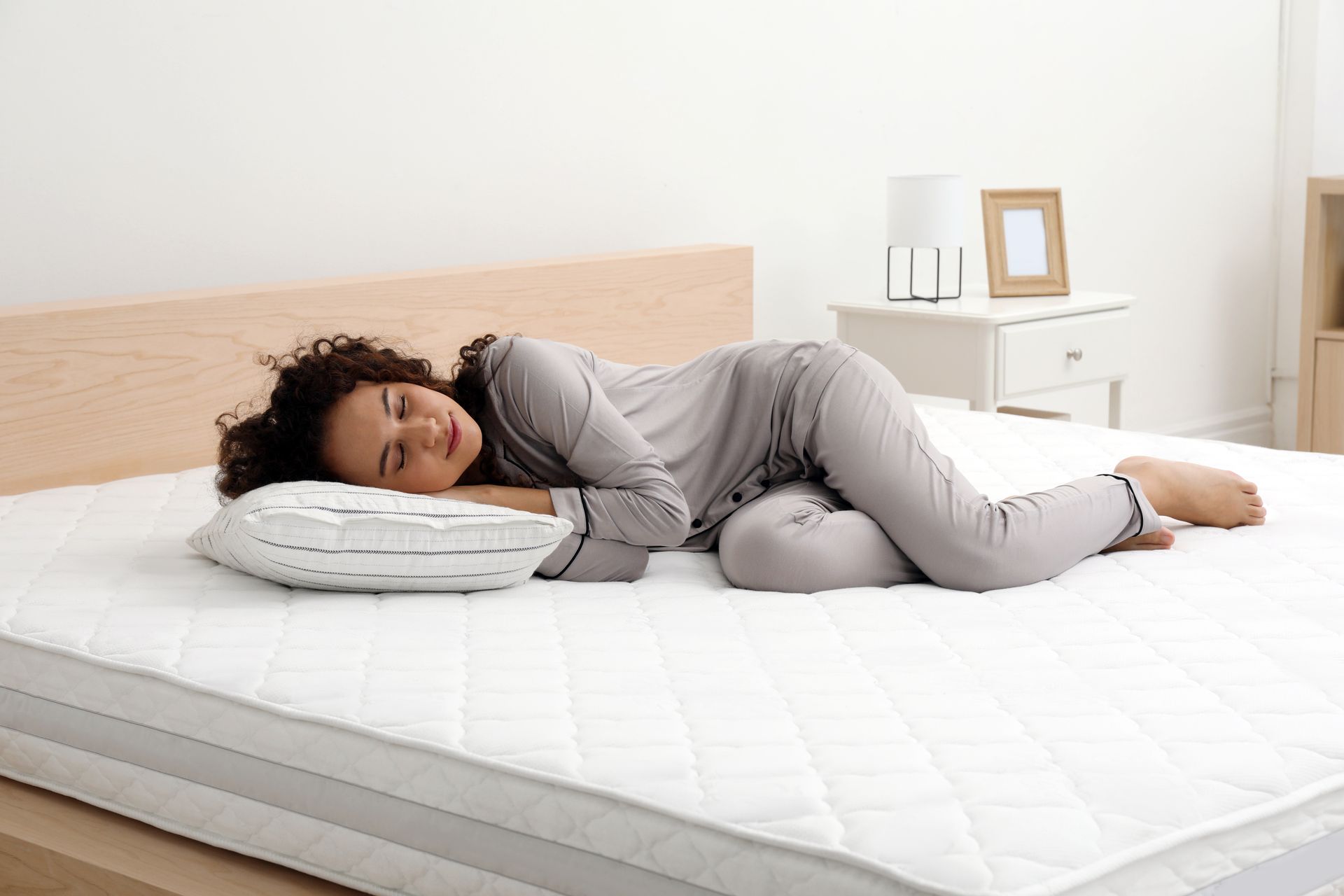
Why Mattress Height Often Reflects Structural Design

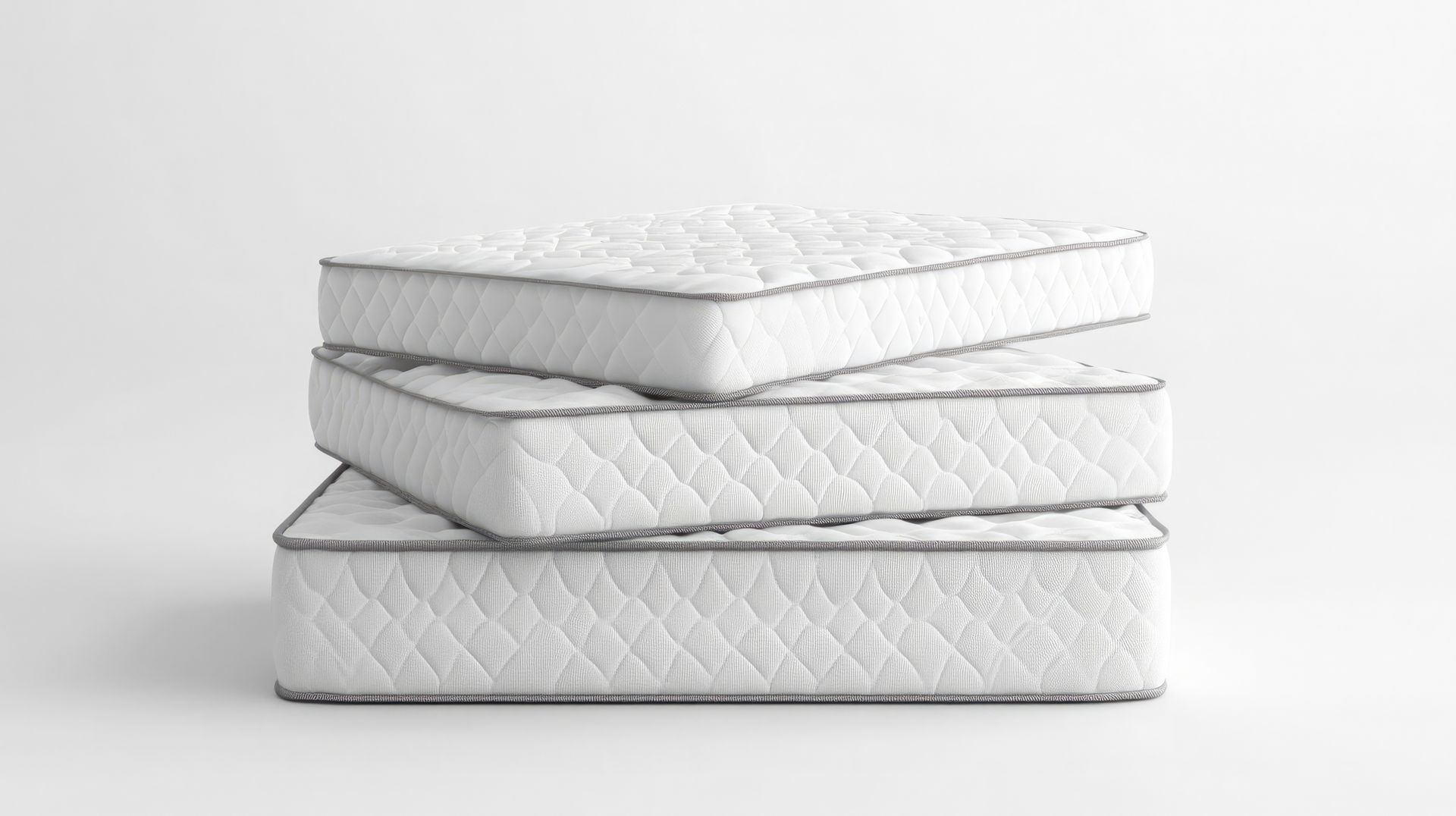
Mattress height is often more than just a design choice. In many cases, the overall thickness of a mattress reflects the way it is constructed and how its internal layers work together to provide comfort and support.
What Mattress Height Actually Represents
Mattress height typically refers to the total thickness of all layers that make up the mattress. These layers usually serve different structural purposes and work together to create a balanced sleep system.
In general, mattress height reflects three major structural components:
- The support core
- Transitional layers
- Comfort layers
Each of these layers contributes to the mattress’s overall performance, durability and feel.
A taller mattress often contains deeper or more developed layers within this structure, which can enhance stability and long-term resilience.
The Importance of the Support Core
At the foundation of most mattresses is the support core, which is responsible for maintaining spinal alignment and preventing excessive sagging over time.
This structural layer typically accounts for the largest portion of the mattress height. The depth of the support core plays an important role in how the mattress distributes weight and maintains its shape.
A deeper support system can help:
- Provide consistent support across the surface
- Improve weight distribution
- Reduce pressure points
- Maintain structural integrity over time
When people talk about a thick mattress support system, they are often referring to a deeper base structure that stabilizes the entire mattress.
While thickness alone does not guarantee quality, a well-designed support core is one of the most important factors in long-term mattress performance.
Transitional Layers Help Balance Comfort and Support
Above the support core, many mattresses include transitional layers. These layers act as a buffer between the firm structural base and the softer comfort layers near the top.
The purpose of transitional layers is to gradually adapt to body weight and sleeping position without allowing sleepers to sink too deeply into the mattress. These layers help:
- Improve pressure relief
- Reduce motion transfer
- Enhance overall comfort
- Provide smoother weight distribution
The presence and thickness of these layers often contribute to the overall mattress height. A mattress that includes well-developed transitional layers can create a more balanced sleep experience.
Comfort Layers Shape the Feel of the Mattress
The top portion of the mattress is made up of comfort layers, which are responsible for the surface feel of the bed.
These layers contour to the body and help relieve pressure around areas like the shoulders, hips, and lower back. The thickness of comfort layers can significantly influence how plush or supportive a mattress feels.
Thicker comfort layers may create a more cushioned feel, while thinner layers may result in a firmer sleep surface.
However, comfort layers must be properly balanced with the support system beneath them. Without adequate structural support, overly thick comfort layers can lead to sinking or reduced durability.
This is why mattress height is best understood as a combination of layered design, rather than simply an indicator of softness or firmness.
Mattress Thickness vs Quality
It is important to note that a thicker mattress is not automatically a better mattress. Quality depends on how well the layers are engineered to work together.
For example, a very thick mattress with poorly designed internal layers may not perform as well as a slightly thinner mattress with strong structural support.
Instead of focusing only on height, shoppers should consider how mattress thickness relates to:
- Structural balance
- Support architecture
- Weight distribution
- Long-term durability
Why Structural Layering Matters for Durability
One of the biggest advantages of a well-structured mattress is durability. Mattresses experience constant pressure from nightly use. A properly layered design helps distribute that pressure across multiple layers instead of concentrating stress in one area.
This layered structure can help:
- Maintain shape over time
- Prevent premature sagging
- Improve overall lifespan
- Provide consistent support night after night
When mattress height reflects a thoughtful internal design, it often indicates that the manufacturer has prioritized structural balance and long-term comfort.
Choosing the Right Mattress Height
Mattress height preferences vary from person to person. When choosing a mattress height, sleeperes should consider factors such as:
- Sleeping position
- Body weight and support needs
- Bed frame compatibility
- Ease of getting in and out of bed
Mattress height does not necessarily determine comfort or support. Many mattresses are available in multiple heights or constructions that provide a similar sleep feel. If a taller mattress is difficult to get in and out of, a lower-profile option may still offer comparable support and comfort.
Thoughtfully Designed and Customizable Mattresses Made in Spokane, WA
At Twilight Bedding, we focus on manufacturing thoughtfully designed sleep systems that prioritize durability, support architecture and overall comfort.
If you are looking for a mattress that balances comfort, support and structural integrity, visit us or call our North Spokane showroom at (509) 413-2431 or our Spokane Valley showroom at (509) 926-2333.