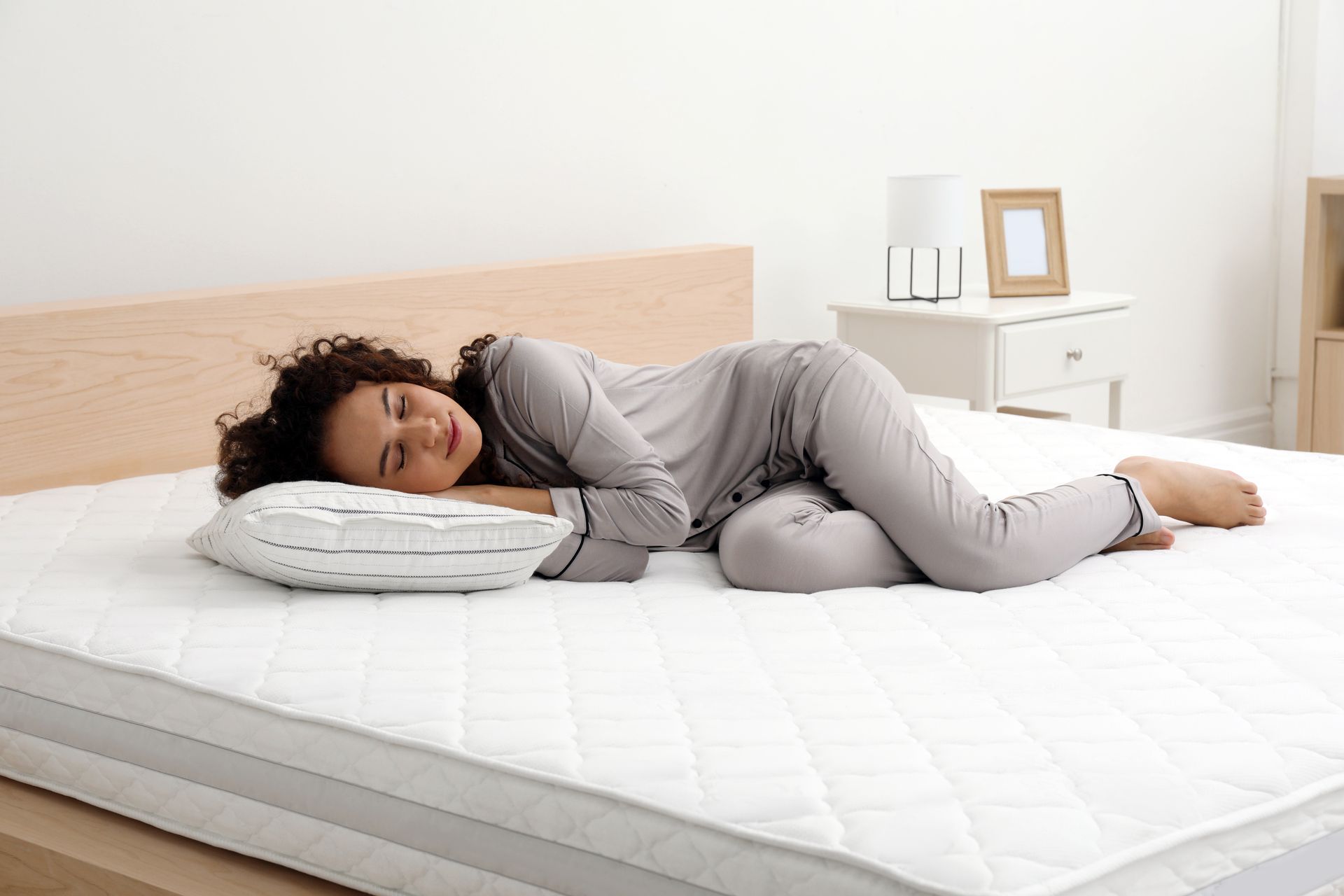
Why Some Mattresses Feel “Bouncy” and Others Feel Stable

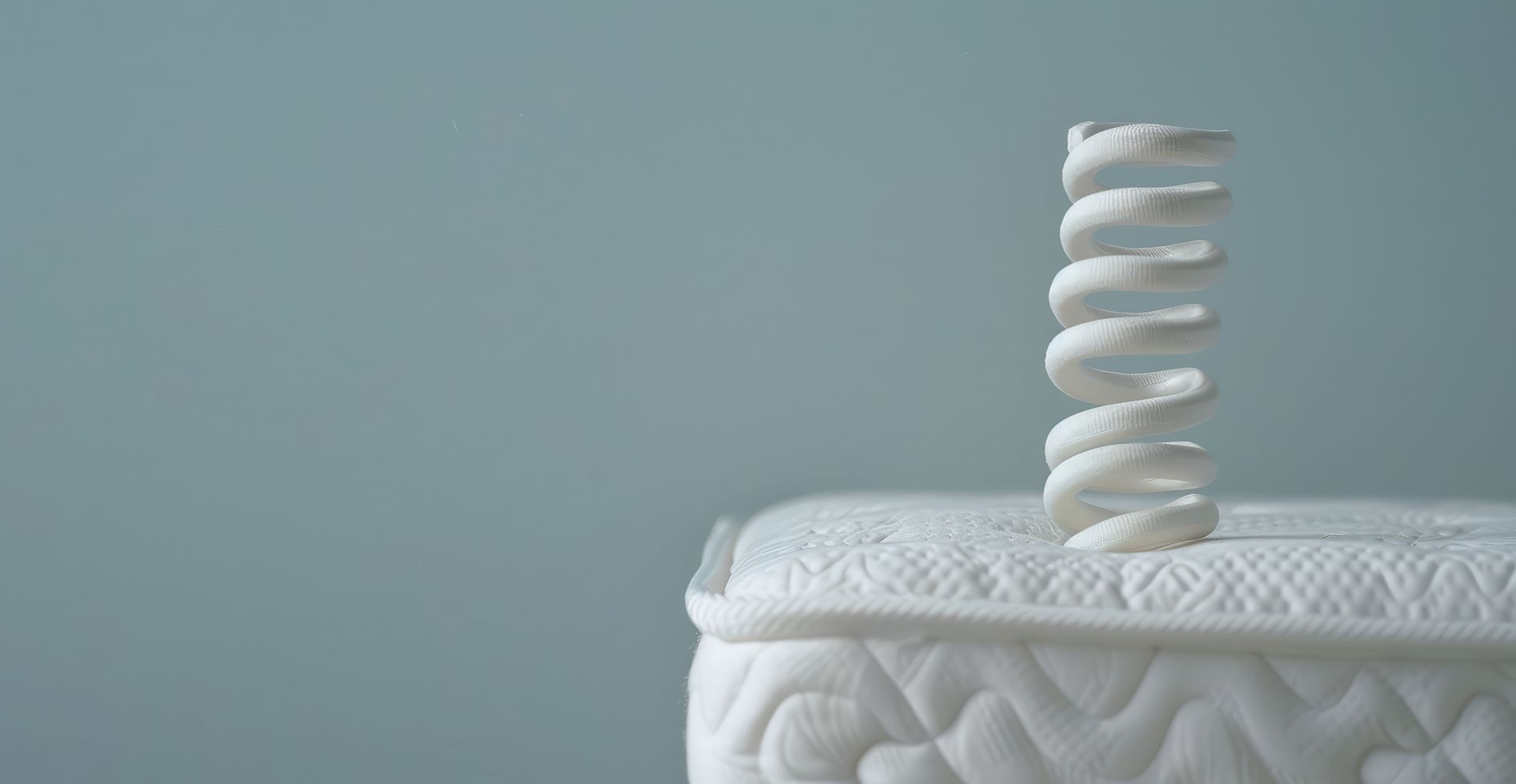
When you lie down on a mattress, one of the first things you notice is how it reacts to movement. Some beds feel bouncy and responsive, quickly pushing back as you shift positions. Others feel stable and grounded, absorbing movement and creating a more settled sleep surface.
This difference comes down to the way a mattress handles rebound behavior, energy transfer and surface stability.
What Mattress “Bounce” Really Means
A mattress is often described as “bouncy” when it quickly returns to its original shape after being compressed. This reaction is called rebound.
When you sit, roll or change positions on a responsive mattress, the surface pushes back with a noticeable spring-like effect. Instead of slowly adapting to your weight, the mattress immediately reacts and restores its shape.
This type of responsiveness can make the mattress feel:
- Lively and supportive
- Easy to move around on
- More responsive to position changes
Bounce is particularly noticeable when a mattress transfers energy quickly across the sleep surface.
What Creates Mattress Stability
A mattress that feels stable behaves differently. Instead of quickly rebounding, it absorbs more of the pressure applied to it.
When you move on a stable mattress, the surface may feel more anchored or controlled rather than springy. The layers compress and gradually return to their original form without pushing back as strongly.
This creates a sleep surface that feels:
- Grounded and supportive
- Less reactive to sudden movement
- More consistent across the bed
Stability can make a mattress feel calm and balanced, especially for sleepers who prefer a steady surface.
The Role of Rebound Behavior
Rebound behavior is one of the main factors that determine how a mattress feels during movement.
Materials that rebound quickly tend to produce a bouncy mattress feel. When pressure is removed, these materials snap back into place almost immediately. This rapid recovery creates the sensation of lift or pushback.
Materials with slower rebound characteristics tend to produce greater stability. Instead of springing back instantly, they gradually return to their shape, absorbing movement in the process.
Neither approach is inherently better. They simply create different sleep experiences.
Energy Transfer Across the Mattress Surface
When someone moves on a mattress, the energy from that movement travels through the mattress layers. In a highly responsive mattress, energy travels more freely across the surface. This can make the bed feel lively and dynamic.
In a more stable mattress, energy is absorbed within the layers instead of spreading outward. The result is a surface that feels calmer and less reactive.
Energy transfer plays a major role in the difference between bounce and stability. A mattress that quickly distributes energy often feels springy, while one that absorbs energy feels more grounded.
Surface Stability and Sleep Position Changes
Mattress response can also affect how easy it is to move or change positions during the night.
A responsive mattress tends to support quick movement. Because the surface rebounds quickly, sleepers can roll over or reposition without feeling stuck in one spot.
This can be helpful for people who change sleeping positions frequently or who prefer a mattress that reacts immediately to their movements.
A mattress with greater stability may allow the body to settle more deeply into the sleep surface. While this can feel comfortable and secure, it may not feel as reactive when shifting positions.
How Mattress Construction Influences Feel
- Layer interaction: Different layers respond to pressure in different ways. The way these layers interact determines the overall feel of the mattress.
- Support system design: The foundation of the mattress contributes to how force is distributed across the surface.
- Material resilience: Some materials recover more quickly after compression, while others respond more gradually.
When these elements are carefully balanced, they create a mattress with a distinct response profile. Some designs emphasize responsiveness and bounce, while others prioritize surface stability and controlled movement.
Bounce vs Stability: Which Is Better?
Choosing between mattress bounce and stability ultimately comes down to personal comfort preferences.
People who prefer responsive mattresses often enjoy:
- Easier movement and repositioning
- A lighter, springier sleep surface
- A mattress that quickly adapts to body movement
People who prefer stable mattresses often appreciate:
- A more grounded and controlled feel
- Reduced surface movement
- A sleep surface that feels calm and steady
The Best Mattress for You Is Made Right Here in Spokane, WA
Twilight Bedding focuses on thoughtfully designed sleep systems that balance responsiveness and stability through carefully engineered structural layering. Our diverse collection of mattresses range from firm innerspring mattresses to ultrasoft latex mattresses. They are all designed and built to provide consistent support while delivering the comfort and feel that different sleepers prefer.
If you are looking for a mattress that matches your ideal sleep experience, visit or contact our North Spokane showroom at (509) 413-2431 or our Spokane Valley showroom at (509) 926-2333.