Why Mattress Weight Is a Quality Signal (And When It Matters)

When shopping for a mattress, most people focus on comfort, firmness or brand reputation. One factor that often gets overlooked is weight.
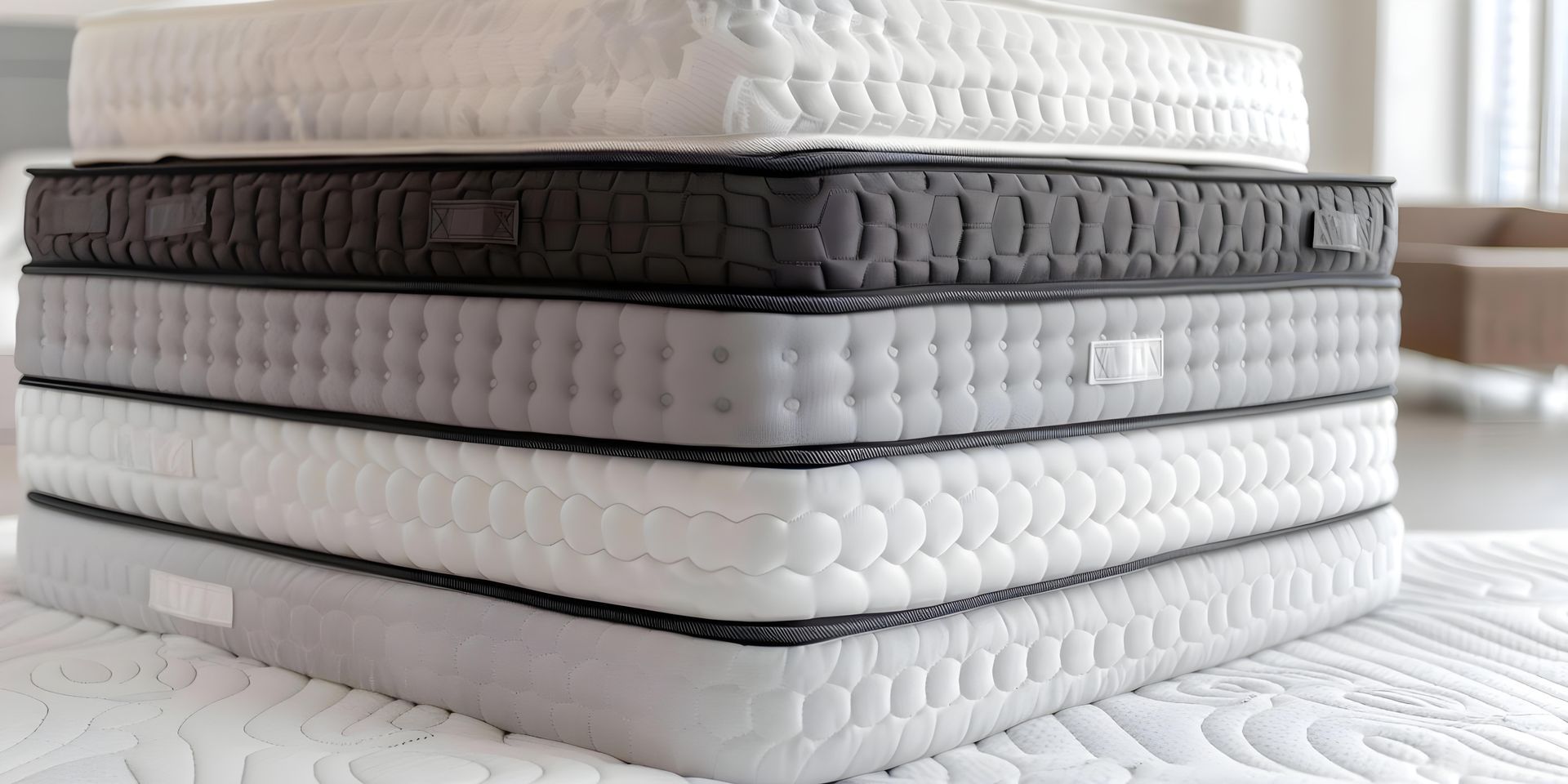
While mattress weight alone does not tell the whole story, it can be a meaningful quality signal when you understand what contributes to it. In many cases, a heavier mattress reflects denser materials, stronger internal construction and greater durability over time.
What Makes One Mattress Heavier Than Another
Mattress weight is not random. It is driven by the materials used and how they are assembled. Two mattresses that look similar on the outside can vary significantly in weight depending on their internal components.
Key contributors to mattress weight include:
- Steel content
- Latex density
- Foam density
- Construction methods like tufting
Heavier mattresses tend to use more substantial materials that resist breakdown, while lighter mattresses often rely on thinner layers and lower-density components.
Steel Content and the Value of a Durable Innerspring Mattress
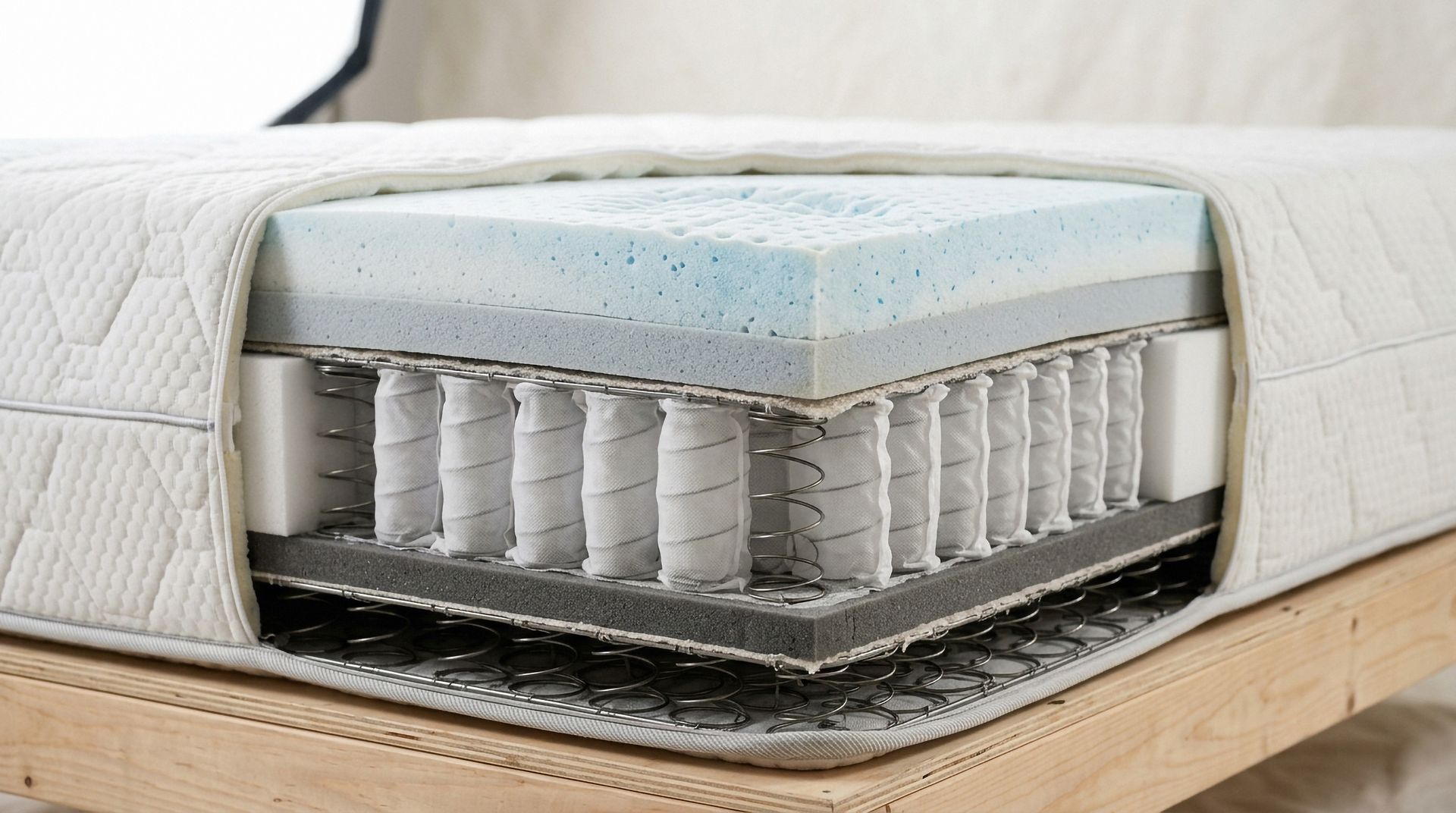
One of the biggest contributors to mattress weight is steel. A durable innerspring mattress with a high steel content will almost always weigh more than one built with thinner coils or minimal support systems.
Heavier steel coils provide stronger resistance to sagging, better edge support and longer structural integrity. Thicker gauge steel and higher coil counts increase weight, but they also improve how well the mattress holds its shape over time.
Lightweight mattresses often use thinner wire or fewer coils, which can lead to early wear and uneven support.
For sleepers who want a mattress that stays supportive for years, steel content is one of the most important factors to consider.
Latex Density and Natural Weight
Latex is another material that adds meaningful weight to a mattress. High-quality natural latex is dense, resilient and significantly heavier than most synthetic foams. Latex density directly affects durability, pressure relief and responsiveness.
A mattress that uses thick layers of dense latex will weigh more, but it will also resist impressions and breakdown far better than lightweight foam alternatives. Low-density foams may feel comfortable at first, but they tend to compress and lose support much faster.
When comparing a heavy mattress versus a lightweight mattress, latex density is often a major differentiator in how long the mattress performs as intended.
Foam Density Versus Foam Thickness
Not all foam contributes equally to weight. Thick foam layers can still be lightweight if the foam itself has low density. Density refers to how much material is packed into a given volume, not how soft or firm the foam feels.
Higher-density foams weigh more and last longer. They are more resistant to body impressions and structural fatigue.
Lightweight mattresses frequently rely on low-density foams that reduce shipping costs but sacrifice longevity.
Mattress materials density matters far more than thickness alone when evaluating quality.
Tufting and Structural Integrity
Tufting is a traditional construction method that physically binds mattress layers together using durable cords or straps.
Unlike glued or loosely layered mattresses, tufted mattresses distribute tension evenly across the surface.
Tufting adds weight because it requires thicker comfort layers and stronger internal structure. It also reduces shifting, sagging and separation over time. Many lightweight mattresses skip tufting altogether in favor of adhesive bonding, which is faster and cheaper but less durable.
A tufted mattress often weighs more because it is built to stay intact under years of use.
Why Heavier Mattresses Often Last Longer
Durability comes from resistance. Resistance to compression, resistance to movement and resistance to material fatigue.
Heavier mattresses typically include more of the materials that provide that resistance.
A heavy mattress often means more steel, denser latex, higher-density foams and reinforced construction. These elements work together to maintain support and comfort long after a lightweight mattress begins to break down.
When Mattress Weight Matters Most
Mattress weight matters most for people who prioritize longevity, consistent support and structural stability. This includes individuals with higher body weight, couples sharing a bed, sleepers who experience sagging issues with previous mattresses and anyone looking for a long-term investment rather than a short-term solution.
In contrast, lightweight mattresses may be suitable for temporary use, guest rooms or situations where ease of movement is more important than durability.
Choosing Quality That Lasts With Our Mattresses
At Twilight Bedding in Spokane, our mattresses are built locally with durability in mind. Our craftsmen use dense materials, strong steel support systems and time-tested construction techniques designed to last.
For shoppers who want a mattress that delivers consistent comfort and support year after year, Twilight Bedding offers options where weight reflects quality, not excess.
Call our North Spokane showroom at (509) 413-2431 or our Spokane Valley showroom at (509) 926-2333, or visit us in person to find a mattress built with substance, durability and long-term comfort at its core.