Mattress “Red Flags” Most Shoppers Overlook Until It’s Too Late

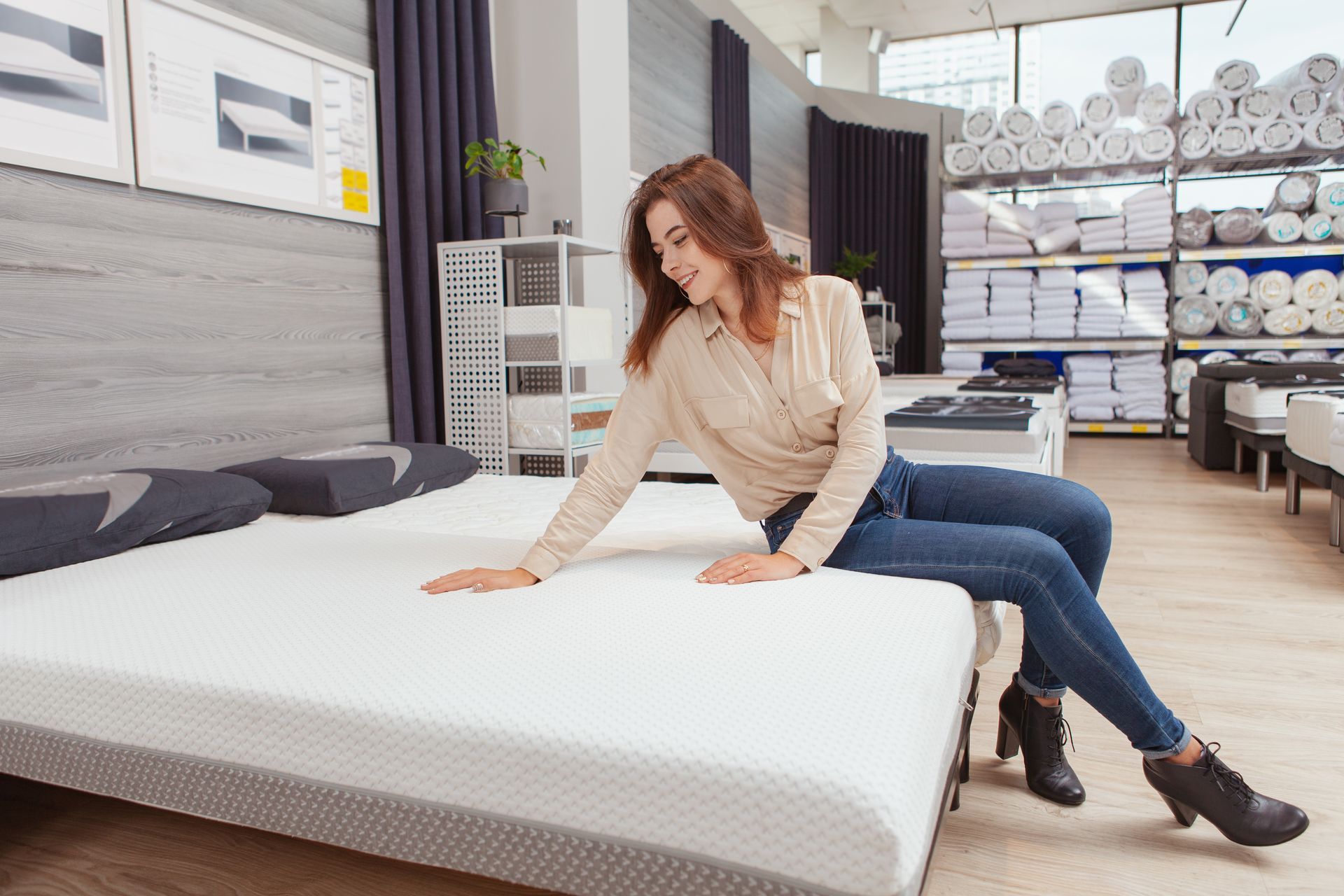
Buying a mattress often feels straightforward, whether you’re testing models in a showroom or clicking through reviews online.
In-store, you might compare firmness levels and assume that a few minutes of comfort will guarantee years of good sleep. Online, many shoppers rely on specs, photos or influencer recommendations, sometimes without ever seeing the mattress in person before it arrives.
Unfortunately, some mattress issues aren’t obvious at first. By the time discomfort sets in, the return window can be long gone.
Knowing the warning signs to watch for before you buy can help you avoid costly mistakes and premature replacement.
Red Flag One: Vague or Missing Material Details
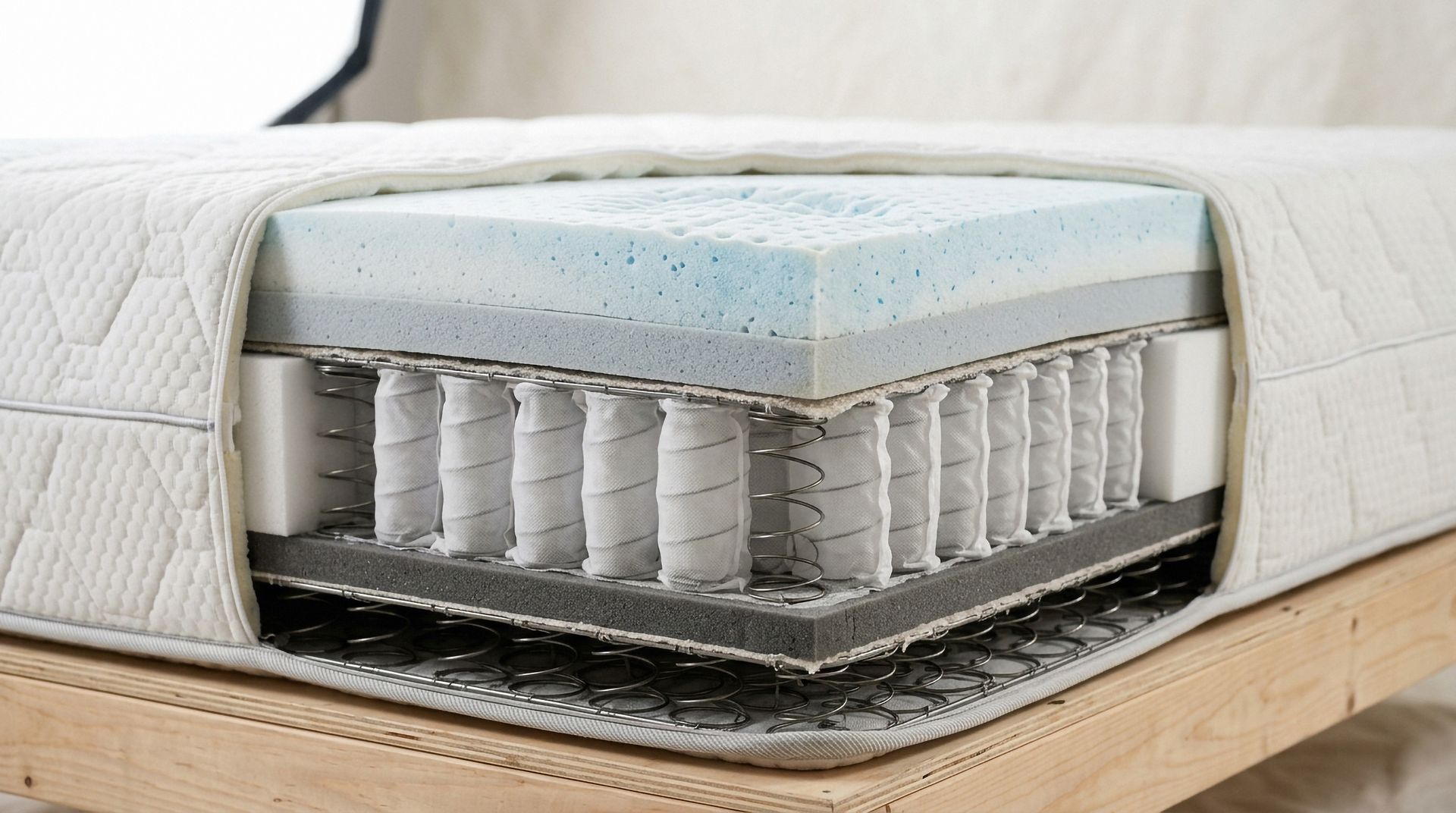
One of the biggest warning signs is a lack of transparency about what the mattress is actually made of. Terms like “premium foam,” “luxury comfort layers” or “advanced support core” may sound impressive, but they reveal very little.
When density, thickness or material type are not clearly explained, it often means lower-quality components are being hidden behind marketing language. Low-density foams, in particular, may feel comfortable at first but break down quickly under regular use.
A mattress should clearly specify what materials are inside and how they are layered. If that information is hard to find or avoided altogether, it is worth reconsidering.
Red Flag Two: Comfort That Feels Too Soft Too Fast
A mattress that feels instantly plush and broken-in on day one can be appealing. However, extreme softness right away often indicates foams that compress easily and lack long-term resilience.
High-quality materials usually feel supportive with some resistance and gradually relax over time. When a mattress feels overly soft in the showroom, it may lose structure quickly once nightly use begins.
Early comfort is not the same as lasting comfort. Shoppers who focus only on immediate feel often miss this distinction.
Red Flag Three: Thin Comfort Layers Over a Weak Core
Some mattresses rely on thick, soft top layers placed over minimal support systems. While this design can feel good initially, it often leads to body impressions and uneven support.
If the support core is thin, lightly constructed, or poorly reinforced, the mattress may not maintain alignment over time.
Sagging often starts beneath the surface, long before it becomes visible.
Balanced construction matters. Both comfort layers and the support core must be designed to work together.
Red Flag Four: Edge Collapse During Testing
Reliable edge support is often ignored during mattress shopping, yet it plays a major role in durability and usability. Sitting or lying near the edge of a mattress should feel stable, not like you are sliding off.
If the edges compress dramatically in the showroom, that weakness will only worsen with daily use. Poor edge support can reduce the usable sleep surface and contribute to uneven wear across the mattress.
Testing edge stability is a simple step that reveals a lot about construction quality.
Red Flag Five: Overreliance on Warranty Language
Many shoppers assume a long warranty equals a long-lasting mattress. In reality, warranties often cover only extreme defects and exclude common comfort issues like gradual sagging.
If a mattress relies heavily on warranty promises without explaining how it prevents wear in the first place, that is a red flag. A warranty does not improve nightly comfort or stop materials from breaking down.
Red Flag Six: No Guidance on Sleep Position or Body Type
Mattresses are not one-size-fits-all. Body weight, height and sleep position all influence how a mattress performs over time.
If recommendations are based solely on firmness preference rather than on how your body interacts with the mattress, problems may surface later. A mattress that works well for a lighter back sleeper may wear quickly under a heavier side sleeper.
Good guidance considers how the mattress will be used, not just how it feels for a few minutes.
Red Flag Seven: Ignoring Long-Term Maintenance Needs
Many shoppers do not ask about rotation, care or maintenance. When this information is missing or minimized, it suggests the mattress may not be built for longevity.
Every mattress has care requirements. Understanding them upfront helps set realistic expectations and prevents avoidable damage.
A mattress designed for long-term use should come with clear guidance on how to maintain its performance.
Test Custom-Made Mattresses at One of Our Spokane-Area Showrooms
Choosing the right mattress means looking beyond surface comfort and marketing language.
Twilight Bedding helps shoppers understand the difference between available materials and mattress types. We’ll explain which mattress options or collections might work best for you depending on how you sleep and the various comfort layer customization options we offer.
Call our North Spokane showroom at (509) 413-2431 or our Spokane Valley showroom at (509) 926-2333, or visit one of our locations to test mattress options in person.