Why Some Mattresses Sag and Others Don’t

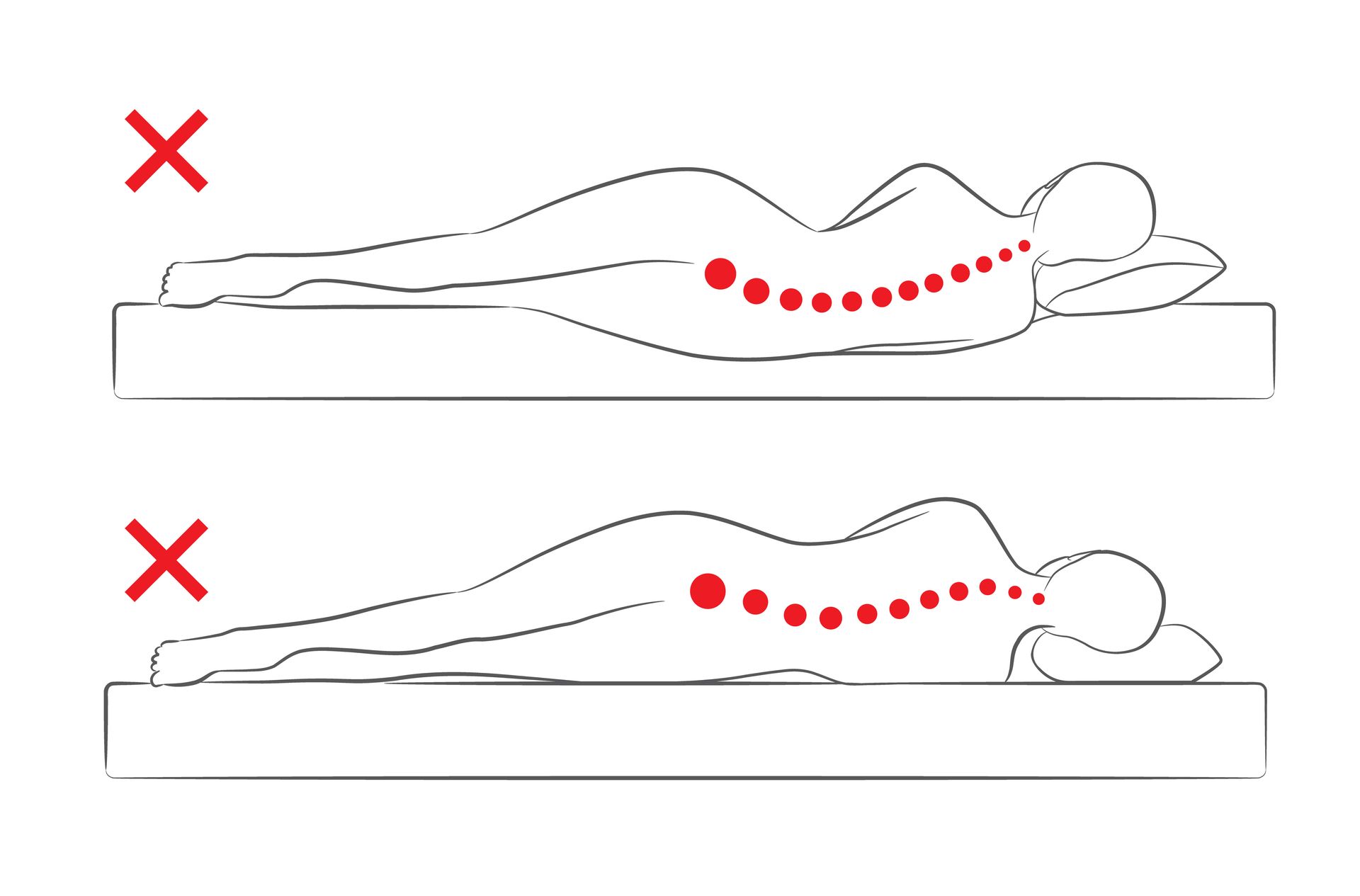
Lower back pain, shoulder discomfort and restless nights often start with uneven support beneath you. One common cause of sleep-related soreness, mattress sagging, is usually the result of a combination of construction choices, materials, usage habits and support systems.
Your choice of mattress, and how you support it, can either accelerate sagging or help prevent it.
The Role of Mattress Materials
One of the biggest factors in whether a mattress sags is the quality of its materials. Lower-density foams tend to break down more quickly under repeated pressure. Over time, they lose their ability to rebound, creating permanent indentations.
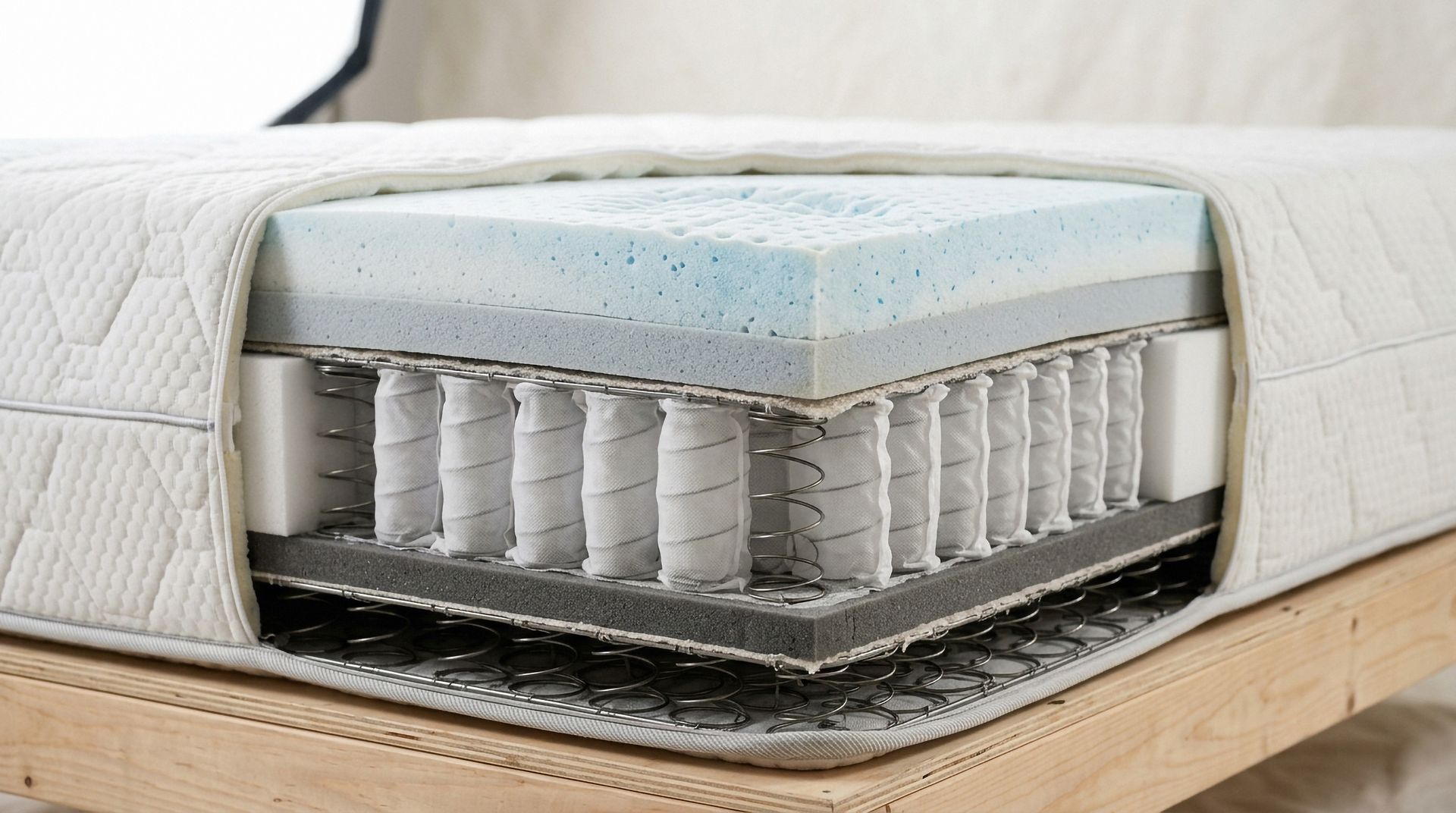
Higher-density foams, natural latex and well-engineered coil systems are more resilient. They are designed to compress and recover thousands of times without losing structural integrity. Mattresses made with these materials typically resist sagging longer, even with nightly use.
In many cases, sagging is not caused by the mattress as a whole but by the comfort layers on top wearing out faster than the support core underneath.
Coil Systems and Support Structure
In innerspring and hybrid mattresses, the coil system plays a major role in long-term performance. Mattresses with fewer, thinner coils or poorly reinforced zones may develop weak spots where body weight is concentrated.
Pocketed coils with proper zoning and edge reinforcement distribute weight more evenly. This reduces stress on any single area and helps the mattress maintain consistent support across the surface.
When coils lose tension or shift out of alignment, sagging often follows, especially in the center of the bed.
Body Weight and Sleep Position Matter
Every mattress has a comfort range it is designed to support. Heavier body weights place more stress on materials, accelerating wear if the mattress is not built for that load.
Sleep position also matters. Side sleepers tend to place more pressure on shoulders and hips, while back sleepers concentrate weight in the lumbar area. Over time, repeated pressure in the same zones can lead to sagging if the mattress does not have adequate support.
This does not mean heavier individuals or side sleepers are destined for sagging mattresses, but choosing a mattress with appropriate materials and support is key for mattress longevity.
Why Some Sagging Appears So Quickly
When a mattress begins to sag early, it is often due to material fatigue rather than normal mattress break-in. Low-quality foams may feel comfortable initially, but compress permanently within a short period.
Another common issue is insufficient foundation support. Even a well-built mattress can sag if it rests on a weak or incompatible base. Slats that are too far apart, an unstable box springs or uneven frames allow the mattress to bend in ways it was not designed to.
In these cases, the mattress may appear to sag when the real problem is underneath it.
The Importance of Proper Support Systems
A mattress is only as good as the foundation supporting it. Modern mattresses are typically designed to work with specific types of bases, such as platform beds, adjustable bases or reinforced slat systems.
Using an old box spring with a newer mattress can contribute to sagging, even if the mattress itself is high quality. Over time, uneven support causes stress points that lead to permanent indentations.
Checking manufacturer guidelines or asking your mattress retailer about foundation compatibility is one of the simplest ways to prevent premature sagging.
Rotation and Maintenance Habits
Mattresses wear unevenly because people sleep in the same spots night after night. Regular rotation helps distribute wear across the surface.
Most manufacturers recommend rotating a mattress every three to six months, depending on design. This is especially important for mattresses that are single-sided and not flippable.
Ignoring rotation allows one area to break down faster, which is often mistaken for a defect rather than uneven wear.
Environmental Factors and Usage
Humidity, temperature and moisture can affect mattress materials over time. Excess moisture can break down foams and adhesives more quickly, while extreme heat can soften materials and accelerate compression.
When Sagging Signals It Is Time to Replace
Even with good care, all mattresses eventually wear out. Persistent sagging that affects sleep quality or causes discomfort is a sign that replacement may be necessary.
Temporary fixes rarely restore proper support once materials have permanently broken down. At that point, investing in a mattress designed for durability and long-term comfort is the most effective solution.
Find Long-Lasting Comfort With Our Luxury Mattresses
Twilight Bedding offers thoughtfully designed mattresses built with durable materials and proper support systems to help prevent premature sagging.
Contact our North Spokane showroom at (509) 413-2431 or our Spokane Valley showroom at (509) 926-2333 to get a long-lasting mattress with customized comfort layers tailored to your needs.