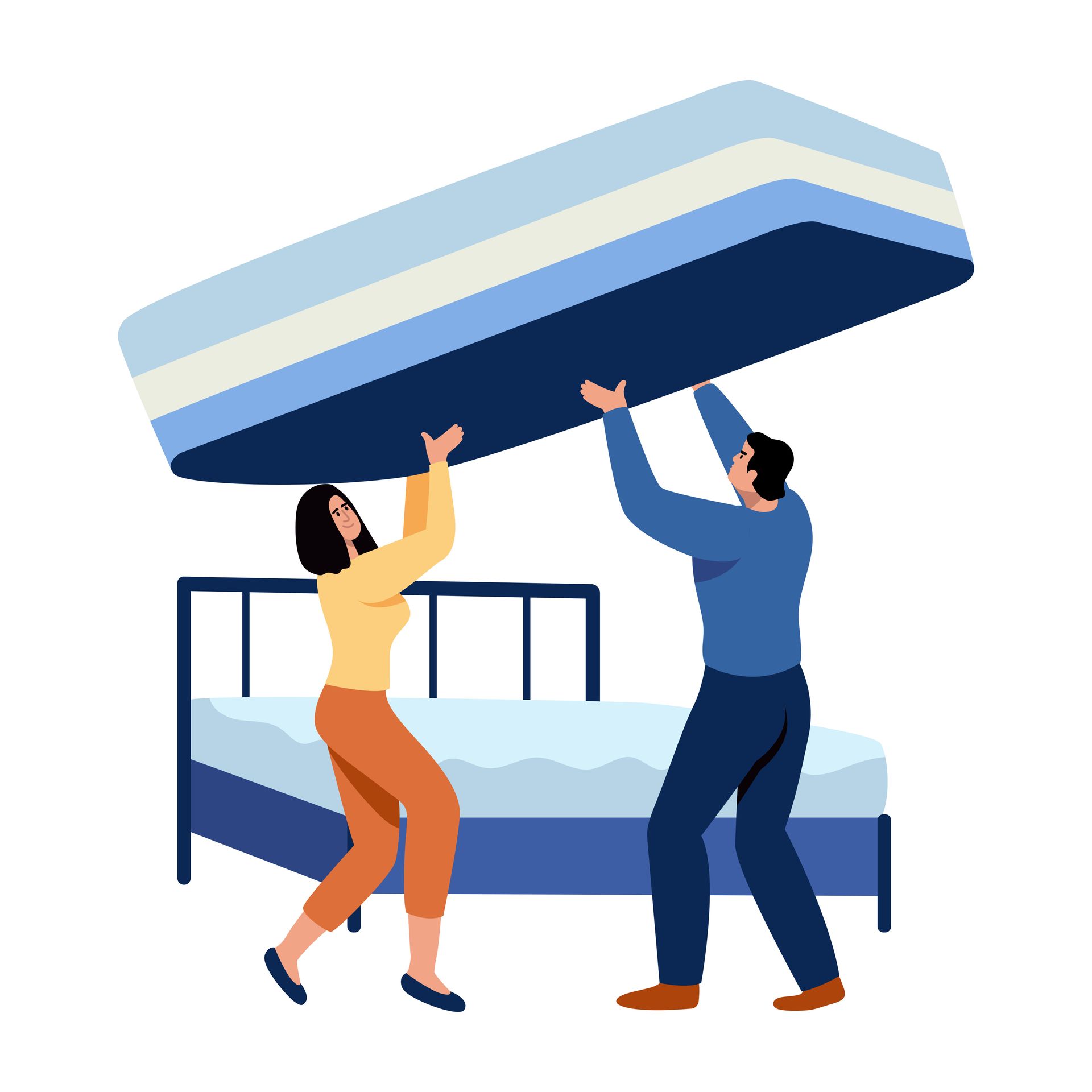
What Can a Mattress Topper Actually Fix and What Can’t It Fix?

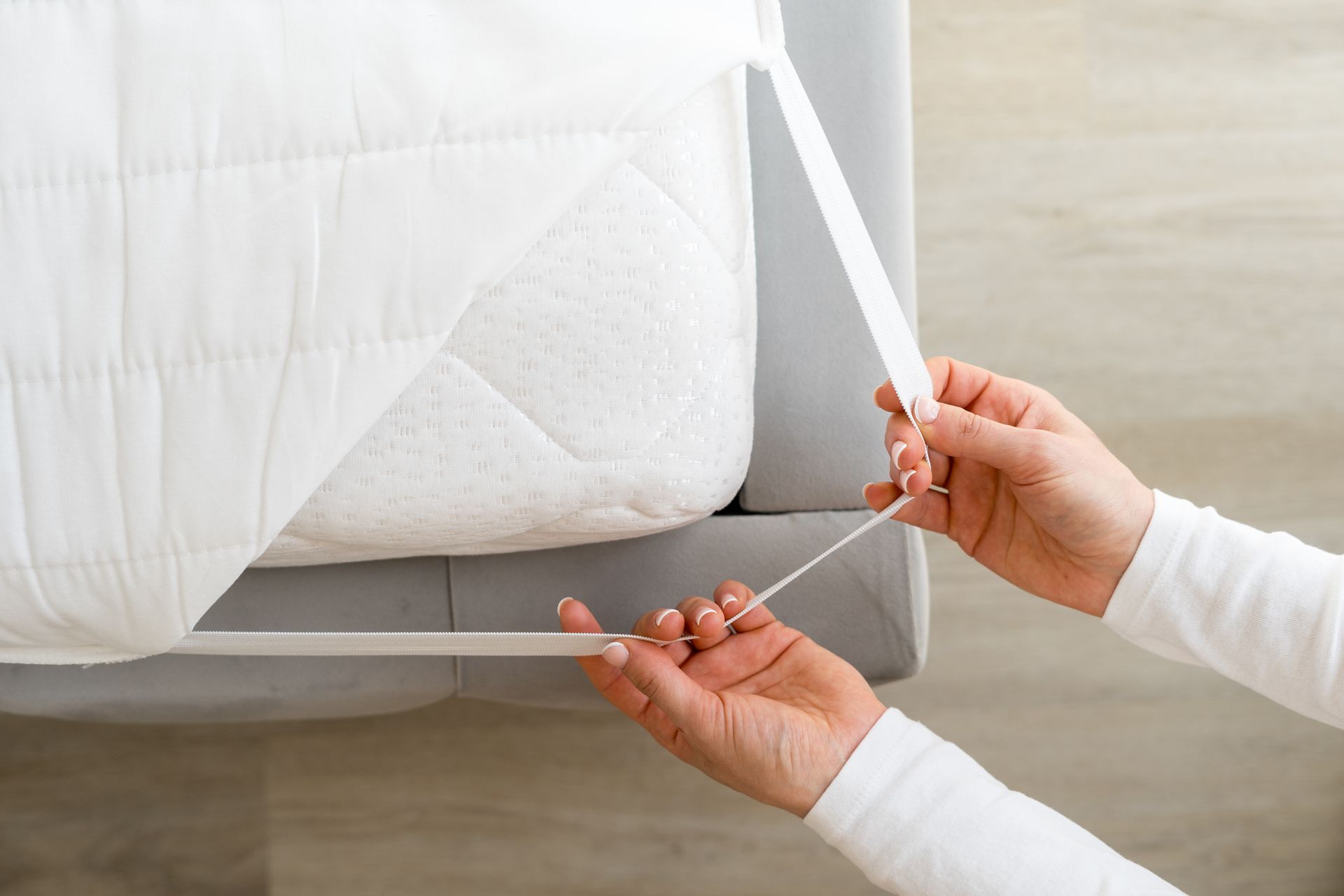
A mattress topper can change how your bed feels, but it cannot fix every problem with a mattress. If your bed feels too firm, a topper may add a layer of cushioning. If you want a different surface feel, the right topper can make a noticeable difference.
But there is an important distinction between changing the surface feel of a mattress and correcting a structural problem. A topper can add comfort, but it cannot restore worn-out materials, repair damaged coils, or correct a failing foundation.
What Can a Mattress Topper Fix?
The most obvious benefit of a mattress topper is changing the feel of the sleep surface. If your mattress is structurally sound but feels firmer than you prefer, adding a topper can provide additional cushioning between you and the mattress.
A topper can also help with pressure relief. A softer layer can provide more cushioning around areas such as the shoulders and hips, which may make a firm mattress feel more comfortable.
Topper materials can also change the overall feel of a mattress. Depending on the material and construction, a topper may make the surface feel softer, more responsive or more cushioned, and may also change how deeply you sink into the bed.
What Can't a Mattress Topper Fix?
If your mattress has a substantial sag or body impression, placing another layer on top does not restore the underlying materials to their original condition. The topper simply sits over the problem.
The same applies to failed or damaged coils. If an innerspring or hybrid mattress has coils that are broken, weakened, or no longer providing consistent support, a topper cannot repair them.
Substantial material breakdown is another sign that a topper may not be the appropriate solution. Foam and other mattress materials can deteriorate over time. Once the underlying mattress has significantly lost its ability to provide support, additional cushioning may only mask the problem temporarily.
When Does Mattress Replacement Make More Sense?
Replacement becomes more reasonable when the problem involves the mattress's underlying structure rather than its surface feel.
Signs that it may be time to consider a new mattress can include significant sagging, persistent loss of support, damaged components, extensive wear, or a mattress that remains uncomfortable despite attempts to improve its surface feel.
Age can also be part of the decision, but there is no single replacement date that applies to every mattress. How long a mattress remains useful depends on its materials, construction, quality, usage, and condition.
Before purchasing a topper, inspect both the mattress and its foundation. If the mattress is still providing consistent support and the main complaint is surface firmness or cushioning, a topper may be a practical solution. If the mattress is visibly deteriorated or no longer supportive, replacement is more likely to address the actual problem.
Find the Right Mattress for Your Sleep Needs
If you find yourself relying on a mattress topper because the mattress's original comfort layers are no longer providing the cushioning or comfort they once did, it may be time to start considering a new mattress. A topper can temporarily improve the surface feel, but it cannot restore materials that have permanently softened or broken down.
Twilight Bedding offers mattress options designed to provide the comfort and support you need for a better night's sleep.
Visit one of our showrooms today or call our North Spokane showroom at (509) 413-2431 or our Spokane showroom at (509) 926-2333 for more information.