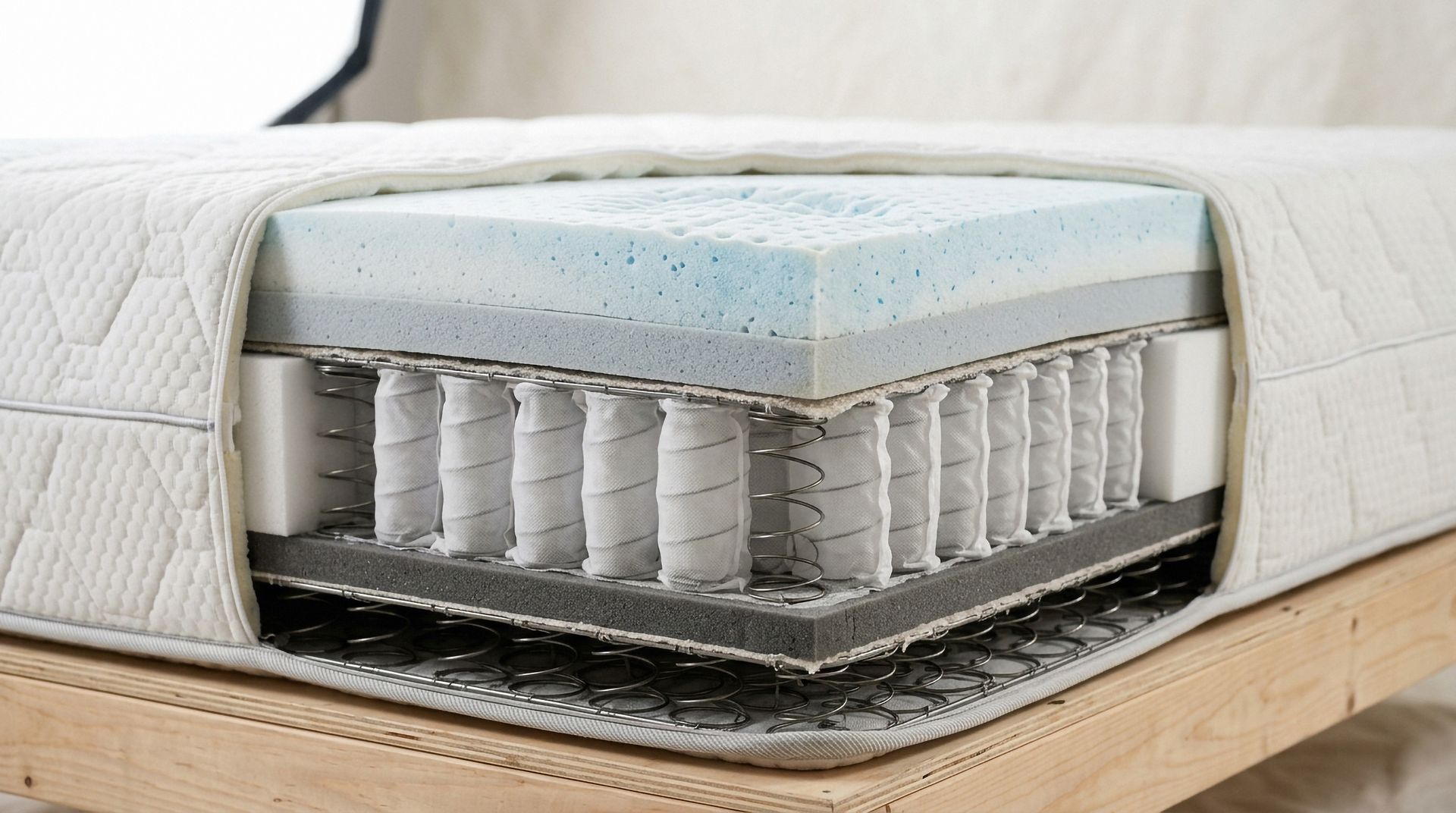
What Happens When a Mattress Is Built Too Thick?

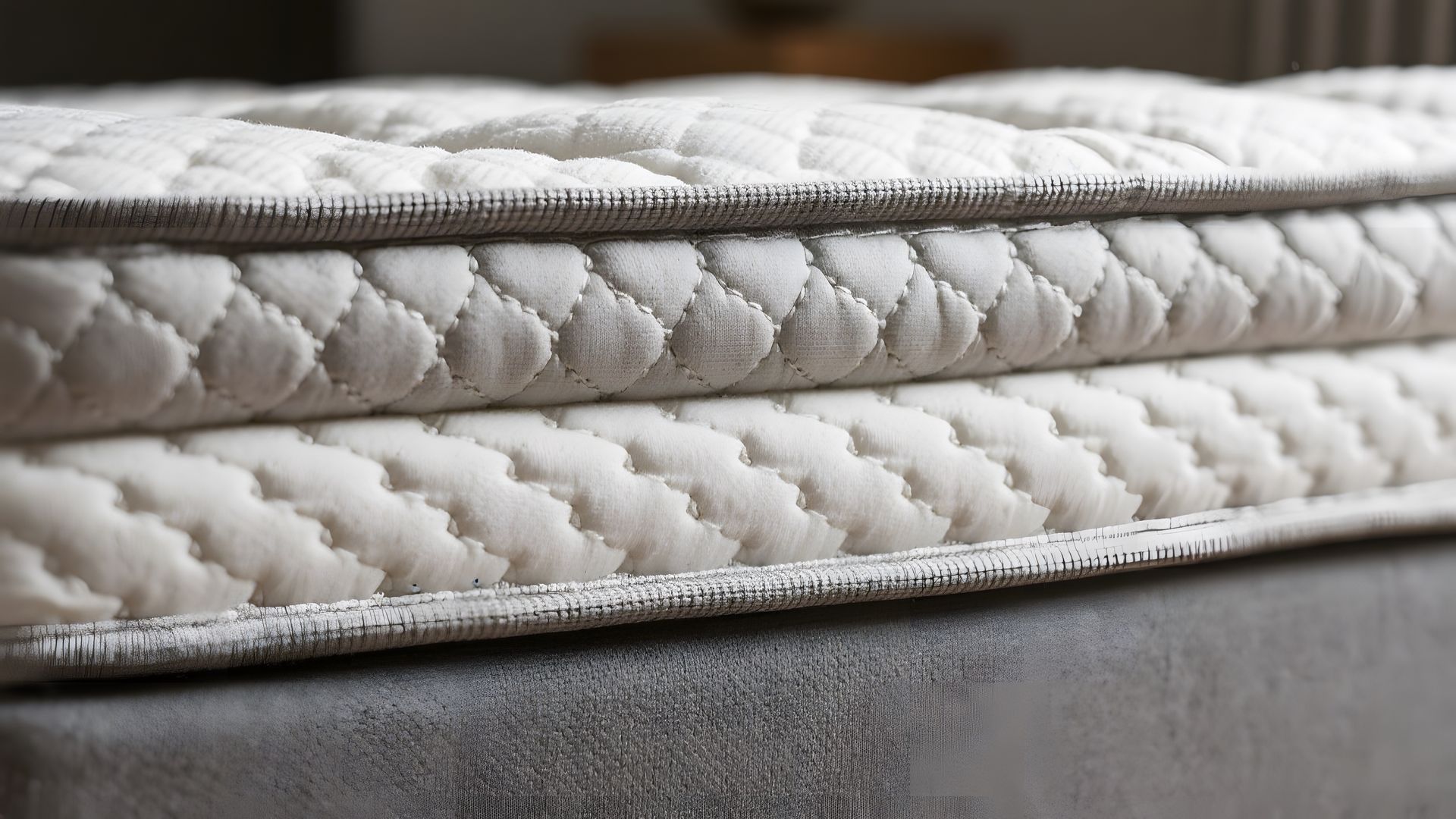
It's natural to assume that a 16-inch mattress must be more comfortable, more luxurious, and more supportive than a 10- or 12-inch model. Mattress manufacturers often promote extra-thick designs as premium products packed with additional comfort layers and advanced features.
However, more layers do not always translate into better sleep. In some cases, mattresses that are built excessively thick can create comfort, support and durability issues that negatively affect sleep quality.
Why Mattress Thickness Has Become a Selling Point
Over the past decade, mattress marketing has increasingly focused on thickness as a sign of quality. Taller mattresses often look more luxurious in showrooms and online product photos. Consumers may naturally assume that more material means more comfort.
Manufacturers have responded by adding:
- Extra pillow tops
- Additional foam layers
- Thick comfort systems
- Multiple transition layers
- Decorative quilting
While some of these additions can improve comfort, thickness alone does not determine whether a mattress will provide proper support.
More Layers Aren't Always Better
When too many layers are added without careful engineering, the mattress may become overly complex without providing meaningful benefits. Excessive layering can sometimes lead to:
- Reduced support
- Increased body impressions
- Greater heat retention
- Uncomfortable sinkage
- Difficulty changing positions
Rather than focusing on the number of layers, shoppers should pay attention to the quality of materials and how those materials work together to support the body.
Deep Comfort Layers Can Affect Support
One of the most common issues with overly thick mattresses involves comfort layers that are too deep.
Comfort layers are designed to cushion pressure points and provide a comfortable sleeping surface. These layers can be too thick for many sleepers, particularly those who prefer a firmer sleep surface. Having to sink deep into the mattress before reaching the support system underneath is not ideal for most sleepers.
These ultra-deep foam layers can contribute to several problems:
- Poor spinal alignment
- Increased lower back strain
- Difficulty moving during sleep
- Extra heat retention
- A trapped or "stuck" feeling
- Reduced support for heavier sleepers
If the comfort layers overwhelm the support core, the sleeper may experience discomfort despite the mattress initially feeling plush and luxurious.
Compression Issues Can Develop Over Time
When a mattress contains numerous thick comfort layers, there are simply more materials that can soften and compress over time. This can lead to:
- Body impressions
- Uneven wear
- Loss of support
- Premature sagging
- Inconsistent comfort across the mattress
A thinner mattress constructed with premium materials will typically maintain its support characteristics longer than an excessively thick mattress filled with lower-density foams.
Thick Mattresses Can Make Movement More Difficult
Many sleepers enjoy some contouring, but too much sinkage can interfere with mobility. When a mattress is built with very deep comfort layers, sleepers may find it harder to:
- Change positions
- Get out of bed
- Roll over comfortably
- Maintain proper alignment
This is especially important for:
- Combination sleepers
- Older adults
- Individuals with mobility concerns
- People who frequently change positions during the night
A mattress should provide enough cushioning for comfort while still allowing natural movement and support.
Marketing Claims vs. Mattress Engineering
One reason thick mattresses remain popular is that thickness is easy to market. As consumers, we’ve been conditioned to assume that more is better.
Mattresses can be an exception to that rule. True mattress performance depends on factors such as:
- Foam density
- Coil quality
- Latex composition
- Support core design
- Edge support
- Material durability
- Layer interaction
These engineering considerations typically have a much greater impact on comfort and longevity than overall mattress height.
The best mattress is the one that provides the right balance of pressure relief, support, responsiveness and durability for the individual sleeper.
Finding the Right Thickness
For many sleepers, mattresses in the 10- to 14-inch range provide an excellent balance of comfort and support. However, there is no single ideal thickness for everyone.
Factors that should influence mattress selection include:
- Body weight
- Sleep position
- Comfort preferences
- Health concerns
- Desired responsiveness
Rather than focusing solely on thickness, shoppers should evaluate how the mattress feels and performs as a complete system.
Visit One of Our Spokane-Area Mattress Showrooms to Find the Right Mattress for Your Sleep Needs
At Twilight Bedding, we help customers look beyond marketing claims to find mattresses that provide genuine comfort and support.
We believe that the best mattress is one that fits your individual sleep needs, not simply the thickest model on the showroom floor. Visit us or call our North Spokane showroom at (509) 413-2431 or our Spokane Valley showroom at (509) 926-2333 for more information.