Why Your Mattress Feels Different in the Center Than Near the Edge


Have you ever noticed that your mattress feels more supportive in some areas and softer in others? Many sleepers are surprised to discover that the center of a mattress can feel completely different from the edge, even when the mattress is relatively new. This difference isn't always a sign of a defective product.
In many cases, it is the result of intentional design features, weight distribution patterns and the materials used within the mattress.
Not Every Part of a Mattress Is Built the Same
Many modern mattresses are designed with multiple support zones and specialized edge reinforcement systems. As a result, the feel of the mattress may naturally vary depending on where you lie down.
Manufacturers often adjust materials throughout the mattress to achieve specific goals, such as:
- Improving edge support
- Enhancing spinal alignment
- Reducing sagging
- Increasing durability
- Providing targeted pressure relief
Edge Reinforcement Creates a Different Feel
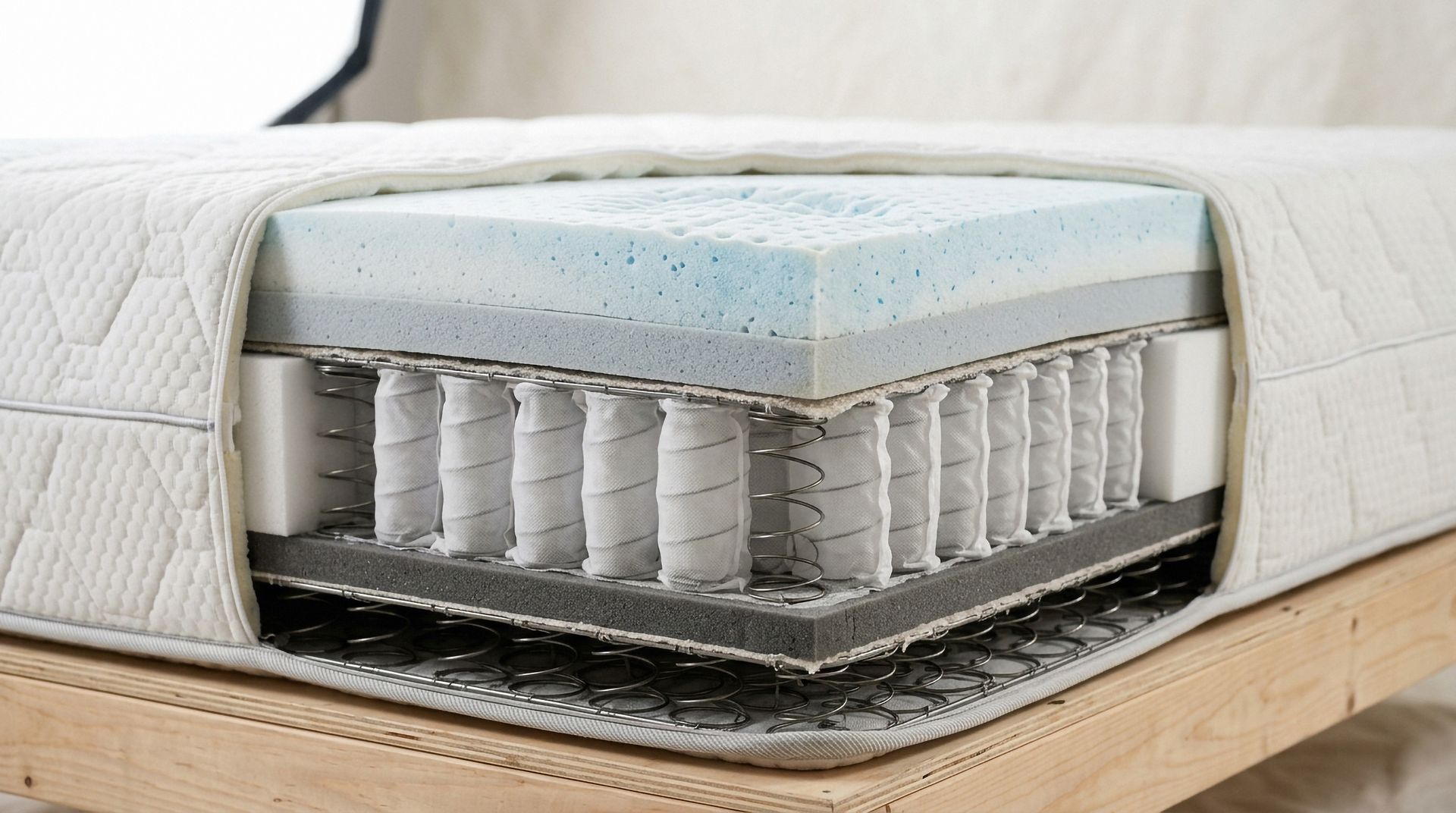
Many mattresses include strengthened perimeter support designed to prevent excessive compression when sitting or sleeping near the edge. This reinforcement may consist of:
- Higher-density foam rails
- Stronger coils around the perimeter
- Reinforced support structures
- Specialized edge support systems
The goal is to maximize the usable sleep surface and help sleepers feel secure when lying near the edge of the bed.
Because edge reinforcement is intentionally firmer than the rest of the mattress, many people notice a distinct difference in feel when moving from the center toward the perimeter.
Weight Distribution Affects How a Mattress Feels
Most people tend to sleep in the same general area each night. As a result, certain sections of the mattress experience more compression than others.
Over time, frequently used areas may soften more than less-used portions of the mattress.
This does not necessarily indicate poor quality. All mattress materials experience some degree of wear. However, uneven usage patterns can make the center feel different from the edges or vice versa.
Zoned Support Systems Are Designed to Feel Different
Many modern mattresses intentionally feature zoned support systems.
Rather than providing identical support across the entire sleep surface, zoned mattresses use different materials or firmness levels in specific areas to better support the body's natural alignment.
For example, a zoned mattress may provide:
- Firmer support beneath the hips and lower back
- Softer cushioning near the shoulders
- Enhanced support beneath the legs
- Reinforced perimeter support
The goal is to maintain proper spinal alignment while reducing pressure points.
Construction Differences Matter
Several internal construction factors can influence mattress uniformity, including:
- Coil system design
- Foam density
- Latex responsiveness
- Layer thickness
- Transition materials
- Edge support components
For example, hybrid mattresses often combine foam comfort layers with pocketed coil systems. Depending on the coil arrangement, support may vary slightly between the center and perimeter.
Similarly, all-foam mattresses may use different foam densities throughout the mattress to balance comfort and durability.
These construction choices can create subtle differences in feel that become noticeable when moving from one area of the bed to another.
Why Some Mattresses Develop Inconsistent Support
While intentional design differences are normal, inconsistent support can sometimes develop as a mattress ages. Potential causes include:
- Foam breakdown
- Coil fatigue
- Material compression
- Inadequate support foundation
- Manufacturing quality differences
- Excessive wear in heavily used areas
Sleepers who notice a significant change in how they feel each morning, especially if they feel less rested or wake up with back pain, hip soreness or stiff joints, may be feeling the effects of a mattress that no longer provides consistent support.
Finding the Right Balance of Comfort and Support
Many sleepers have unique comfort preferences and physical support needs. Not every mattress is going to provide the optimal blend of postural support and firmness. When testing different mattresses, be sure to ask the sales representative about:
- Edge support performance
- Overall support consistency
- Construction quality
- Material durability
- Sleep position compatibility
- Long-term comfort expectations
- A well-designed mattress should provide consistent comfort while incorporating features such as edge support and targeted zoning where appropriate.
Find Locally Made Mattresses Customized for Different Types of Sleepers in Spokane, WA
At Twilight Bedding, we offer quality mattress solutions designed to provide lasting comfort, consistent support and improved sleep performance.
Call our North Spokane showroom at (509) 413-2431 for location or our Spokane Valley showroom at (509) 926-2333 to explore your options and discover how the right mattress can make a difference in your nightly rest.