Why Your Mattress Should Change as You Age


The type of mattress that gave you incredible sleep at 25 may leave you waking up sore at 45. Changes in weight, activity level, injuries, pregnancy and natural aging all affect how your body interacts with a mattress. That's why choosing a mattress type or firmness level isn't a one-time decision; it's something that should evolve with you throughout life.
Your Twenties
In your twenties, your body is typically more resilient. Muscles recover quickly, joints are generally healthy and many people can sleep on almost any mattress without waking up with aches and pains.
Younger adults also tend to have fewer orthopedic concerns influencing their mattress choice, so price, convenience and general comfort may matter more than carefully matching a mattress to specific support or pressure-relief needs.
That may work perfectly well at the time, but the type of mattress that feels comfortable in your twenties may not be the best fit later in life. As your body changes, you may need different levels of cushioning, firmness or support.
Your Forties
By your forties, many people notice subtle changes in how they sleep. You may wake up with:
- Lower back stiffness
- Shoulder pain
- Neck discomfort
- Hip soreness
- More frequent tossing and turning
Life is also busier. Careers, parenting and daily responsibilities make quality sleep more valuable than ever.
This is often when people realize that simply buying the "firm" or "soft" mattress they liked years ago no longer works. Proper spinal alignment and pressure relief become much more important than they once were.
Your Sixties and Beyond
Getting older doesn't automatically mean you need an ultra-soft or extra-firm mattress. Every person ages differently. However, many adults notice changes such as:
- More sensitive joints
- Reduced flexibility
- Increased pressure around the hips and shoulders
- More time spent sleeping in one position
A mattress that cushions pressure while still supporting the spine can make getting comfortable easier and reduce nighttime discomfort.
Rather than shopping based solely on age, it's better to evaluate how your body currently feels each morning.
Weight Changes Affect Mattress Performance
Whether you've gained or lost weight over the past decade, the way your body compresses the mattress changes. Additional weight may cause:
- Deeper sinkage
- Reduced support
- Increased pressure on certain areas
Losing weight can have the opposite effect, making a once-comfortable mattress suddenly feel too firm because you're no longer compressing the comfort layers the same way.
Old Injuries Can Come Back to Haunt Your Sleep
Old injuries often become more noticeable over time, especially during sleep when your body remains in one position for several hours.
If your mattress doesn't properly support those vulnerable areas, discomfort can gradually increase, making it harder to fall asleep or stay asleep throughout the night.
Arthritis Changes Pressure Needs
Even mild arthritis can make sleeping uncomfortable if your mattress creates too much pressure on joints. Common trouble spots include:
Shoulders
Knees
Hips
Hands
Lower back
The right comfort layers help distribute body weight more evenly, reducing pressure without sacrificing support.
Activity Level Makes a Difference
Someone training for marathons has different recovery needs than someone who works at a desk all day.
Likewise, someone who spends weekends hiking, lifting weights or playing sports may appreciate different support characteristics than someone with a more sedentary lifestyle.
As activity levels increase or decrease throughout life, sleep recovery needs often change as well.
Your mattress should support the life you're living today, not the lifestyle you had years ago.
Why Yesterday's Perfect Mattress May Not Be Today's
Bodies change gradually. Because those changes happen slowly, many people don't realize their mattress is contributing to poor sleep until they experience something better.
The mattress itself may not be "bad." It may simply no longer fit your body's current needs.
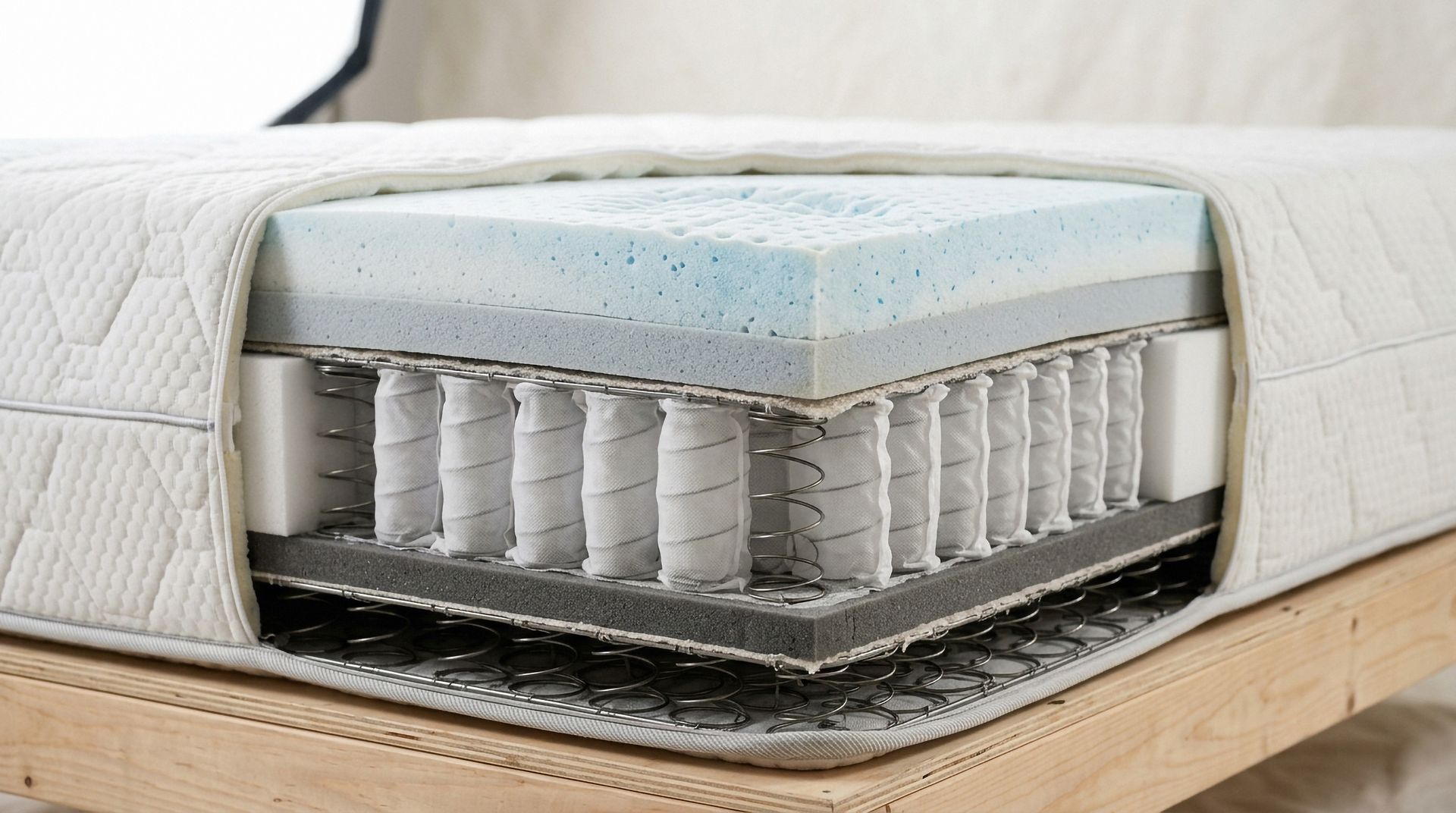
That's why personalized comfort matters. Instead of settling for a one-size-fits-all mattress, choosing comfort layers that match your body, sleeping position and support preferences allows your mattress to work with you, not against you.
Get the Right Mattress for Your Current Sleep Needs
If your current mattress felt perfect ten years ago but no longer does, Twilight Bedding can help you find a better fit. Contact our North Spokane showroom at (509) 413-2431 or our Spokane showroom at (509) 926-2333 to learn how our customizable mattresses can provide the comfort and support your body needs.